Child Safety & Vulnerable Persons Policy

Purpose

Panditarama Sydney Meditation Centre (PSMC) is committed to providing a safe, respectful, and supportive environment for children and vulnerable persons who participate in or attend our activities. This policy outlines PSMC’s commitment, responsibilities, and procedures to prevent harm, abuse, neglect, or exploitation.

This policy aligns with:

  • ACNC External Conduct Standards
  • NSW child protection principles
  • Best-practice governance for charities and religious institutions

Scope

This policy applies to all:

  • Monastics
  • Executive Committee members
  • Volunteers
  • Contractors and service providers
  • Visitors who engage in activities involving children or vulnerable persons

Definitions

Child: A person under 18 years of age.
Vulnerable Person: An individual who may be at increased risk of harm due to age, disability, illness, mental health condition, trauma, language barriers, or social circumstances.
Harm: Any form of physical, emotional, psychological, sexual abuse, neglect, or exploitation.

Policy Statement

PSMC has zero tolerance for child abuse or harm to vulnerable persons. We are committed to:

  • Safeguarding the wellbeing, dignity, and rights of children and vulnerable persons
  • Creating a safe and inclusive environment grounded in compassion and mindfulness
  • Preventing abuse through education, supervision, and clear behavioural standards
  • Responding promptly and appropriately to concerns or allegations

Code of Behaviour

All personnel must:

  • Treat children and vulnerable persons with respect, dignity, and care
  • Maintain appropriate professional and personal boundaries at all times
  • Use positive, non-violent, and non-coercive communication
  • Ensure activities are conducted in open, observable, and safe environments
  • Avoid being alone with a child or vulnerable person where possible
  • Obtain appropriate consent for participation in activities

The following behaviours are strictly prohibited:

  • Any form of physical, sexual, emotional, or psychological abuse
  • Grooming, exploitation, or inappropriate familiarity
  • Discrimination, humiliation, or intimidation
  • Unauthorised photography or recording
  • Private or secretive communications with children

Recruitment, Screening & Training

PSMC will take reasonable steps to ensure suitability of those working with children or vulnerable persons, including:

  • Role-based screening and background checks where required
  • Reference checks for relevant roles
  • Provision of child safety awareness and training
  • Ongoing supervision and support

Risk Management

PSMC will identify and manage risks through:

  • Safe program design and supervision ratios
  • Clear guidelines for activities involving children or vulnerable persons
  • Monitoring of physical spaces and facilities
  • Review of incidents and near-misses

Reporting Concerns or Incidents

All concerns, suspicions, or allegations of harm must be reported immediately.

Reports can be made to:

  • The Child Safety Officer (if appointed)
  • Volunteer Coordinator
  • Executive Committee member

If a child is in immediate danger, emergency services must be contacted (000).

PSMC will:

  • Take all reports seriously
  • Respond promptly and sensitively
  • Maintain confidentiality where possible
  • Cooperate with relevant authorities when required

Confidentiality & Privacy

Information relating to child safety concerns will be handled sensitively and shared only on a need-to-know basis, in accordance with privacy laws and legal obligations.

Breaches of Policy

Breaches of this policy may result in:

  • Immediate removal from duties
  • Suspension or termination of volunteering or engagement
  • Notification to relevant authorities

Revision History

This policy will be reviewed at least every two (2) years, or earlier if required by changes in legislation, ACNC guidance, or organisational circumstances.

Version Date Issued Next Review Date Approved By
V.1.0 10 Jan 2026 10 Jan 2028 Executive Committee

Final Days and Parinibbana (Age 80)

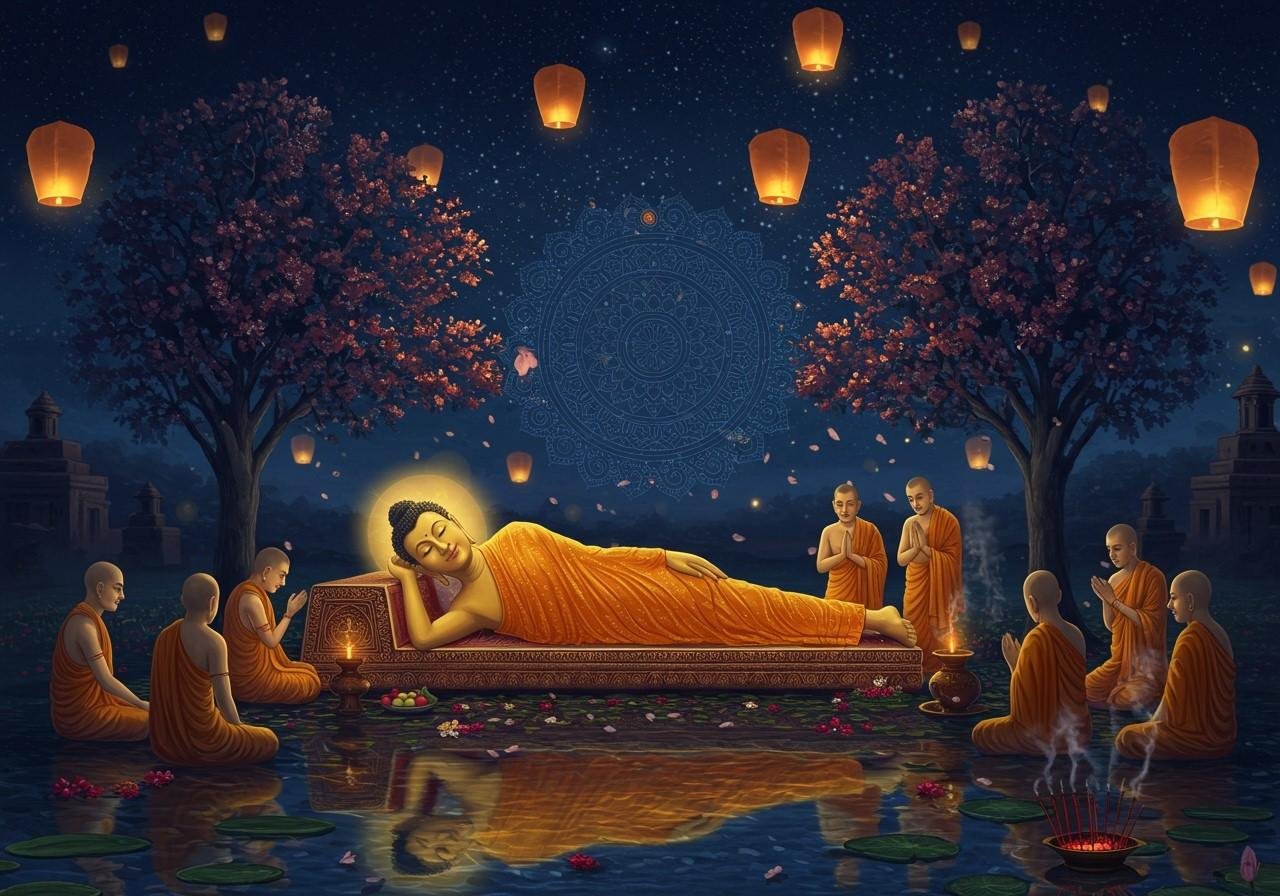
At the age of 80, the Buddha sensed his life was nearing its end. He continued teaching until his final moments, offering guidance to his disciples on maintaining harmony and staying committed to the path.

The Buddha passed away peacefully in Kushinagar, entering Parinibbana—the final liberation from the cycle of birth and death. His teachings, preserved for over 2,500 years, have since spread throughout the world and remain a source of wisdom and transformation today.

The Buddha’s life demonstrates that profound inner peace and liberation are attainable through understanding, ethical living, and mindfulness.

Forty-Five Years of Teaching

For the next 45 years, the Buddha travelled widely across northern India, sharing his teachings with anyone eager to learn—monks, nuns, farmers, royalty, merchants, and people from all walks of life. His teachings emphasised wisdom, moral conduct, mindfulness, compassion, and the potential for every being to awaken.

He established monastic communities, guided thousands of followers, and offered practical teachings that continue to resonate today. The Buddha taught in a simple and accessible manner, focusing on understanding the mind, cultivating virtue, and realising inner peace.

The First Teaching at Deer Park

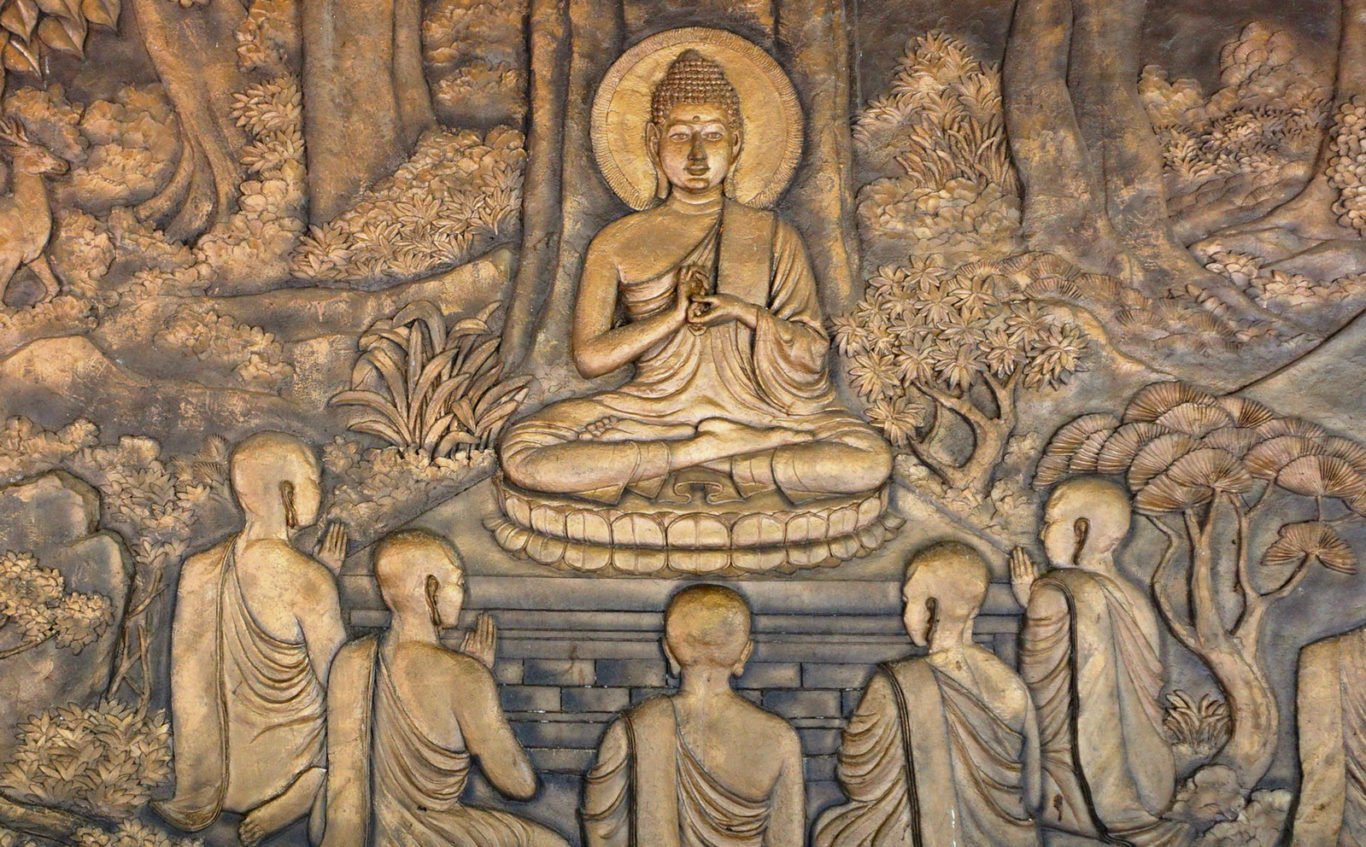
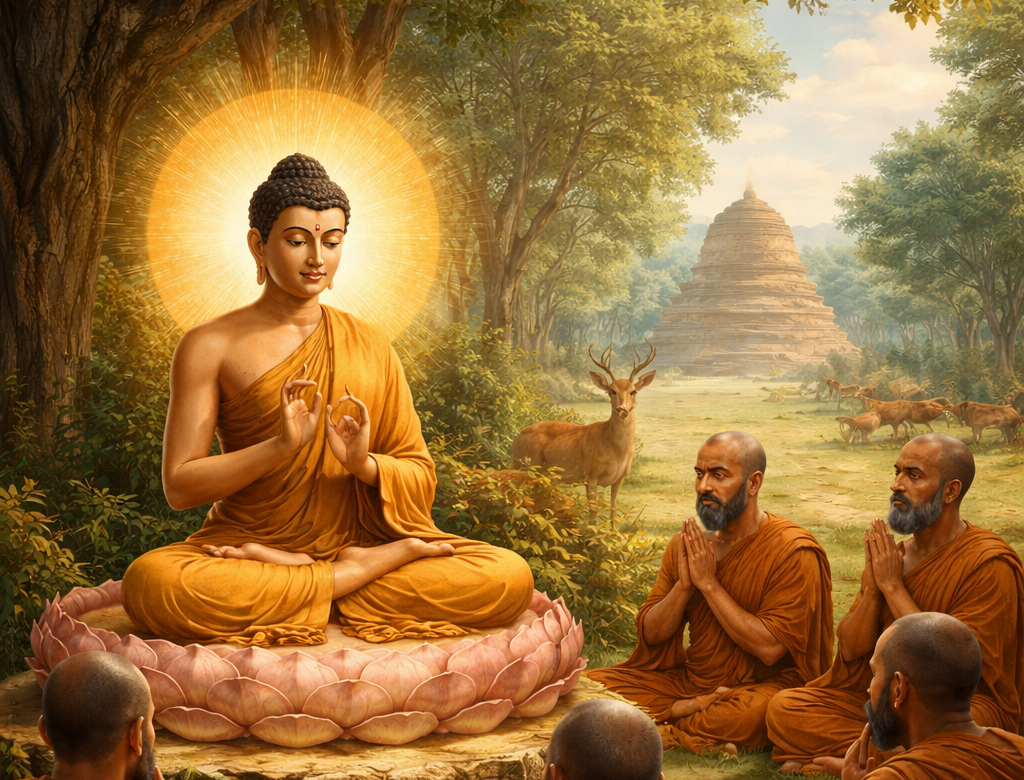
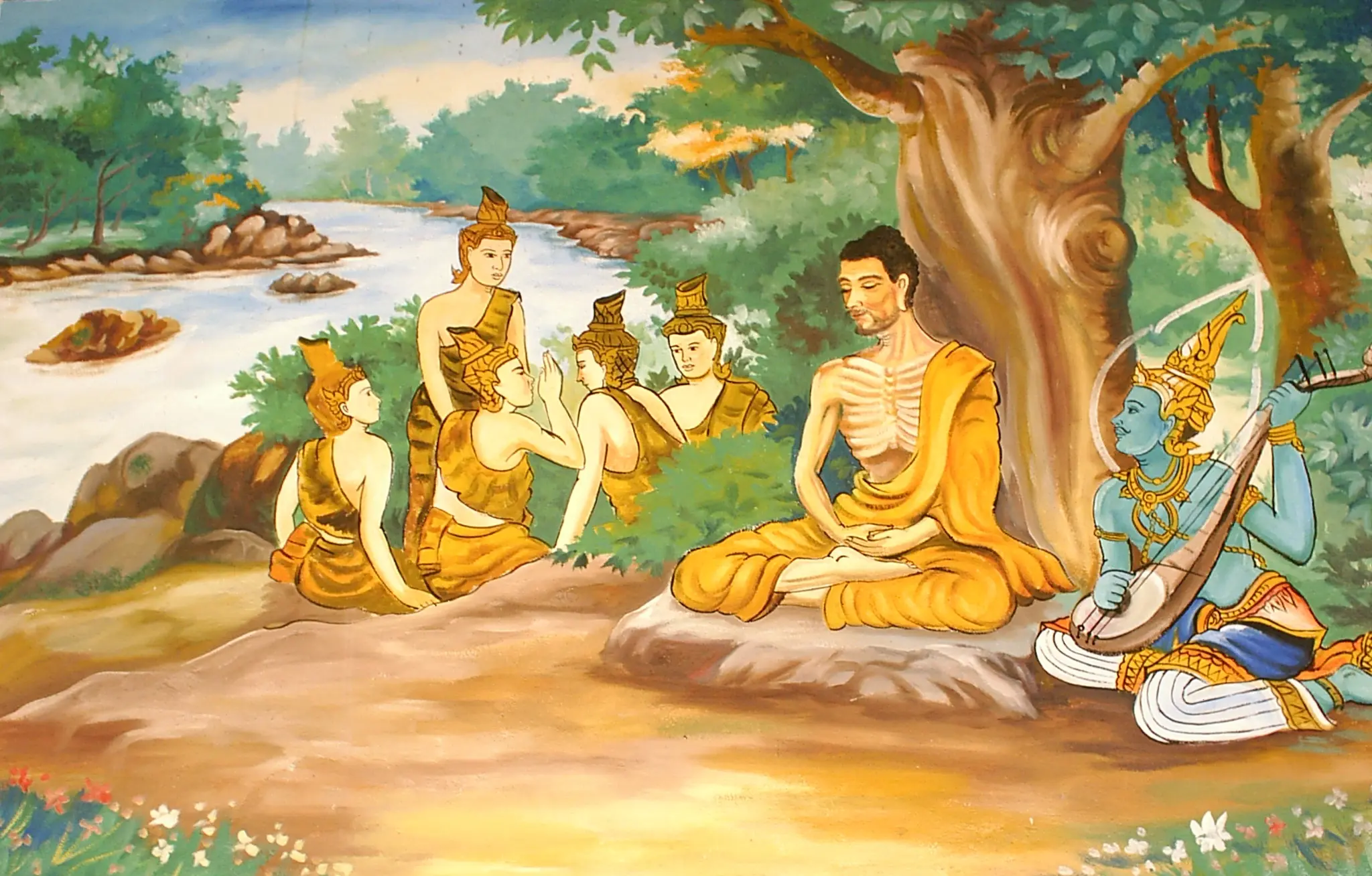
Soon after his enlightenment, the Buddha travelled to Sarnath, where he delivered his first discourse to five former companions. This teaching, known as the Dhammacakkappavattana Sutta, introduced the Four Noble Truths and the Noble Eightfold Path. With this, the Sangha—the community of monks—was born, marking the beginning of the spread of the Dhamma.

Enlightenment Under the Bodhi Tree
(Age 35)

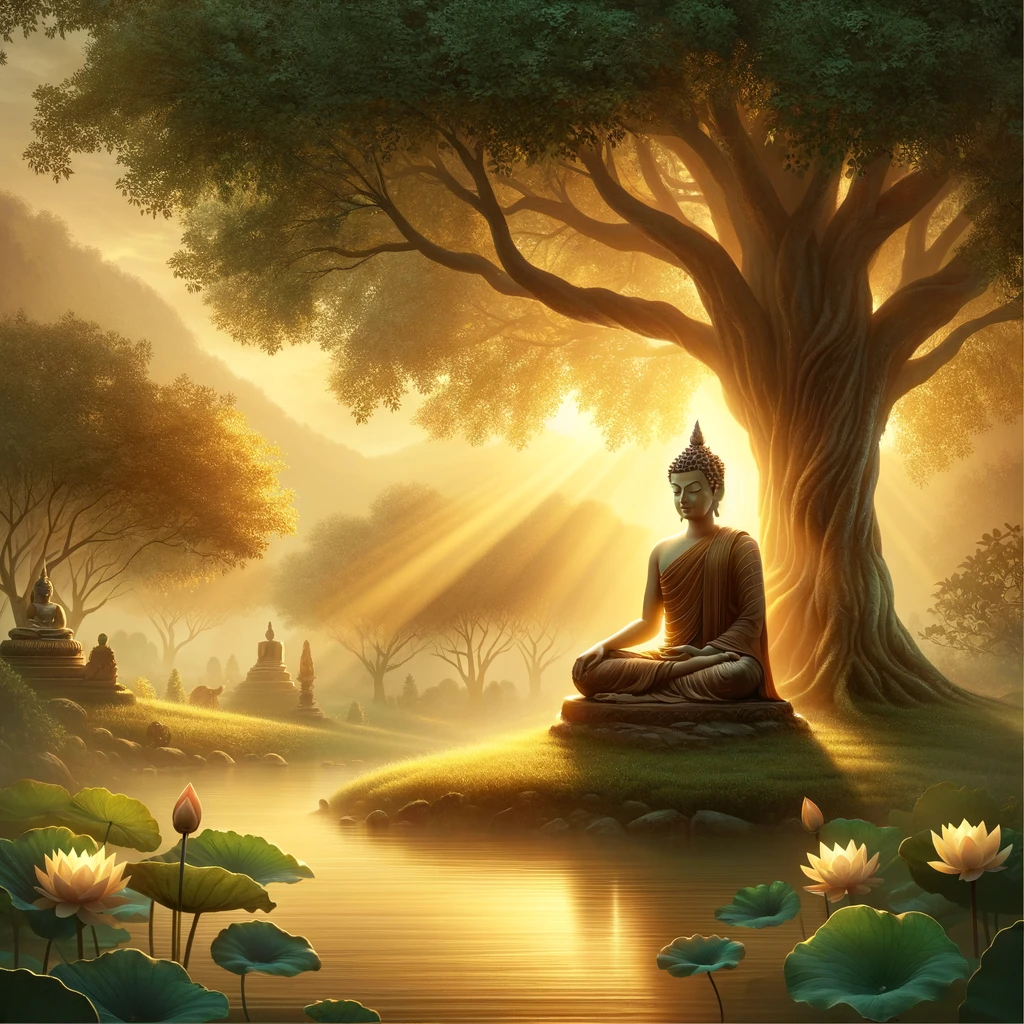
Siddhartha eventually settled beneath a fig tree in Bodh Gaya, vowing not to rise until he discovered the truth. After a long night of deep meditation, he awakened to a complete understanding of reality, the nature of suffering, and the path to liberation.
At this moment, Siddhartha Gautama became the Buddha—“The Awakened One.”

The Great Renunciation (Age 29)

At 29, Siddhartha made a courageous and transformative decision. Leaving behind his royal life, his family, and all worldly luxuries, he embraced the life of a seeker. This departure, known as the Great Renunciation, was the beginning of his spiritual journey.

He travelled across northern India studying with respected teachers and practising intense forms of meditation and asceticism. Though he mastered these methods, they did not bring the liberation he sought. Realising that extreme self-denial was not the answer, he abandoned harsh austerities and turned toward a balanced approach—a path later called the Middle Way.

The Four Encounters and the Search for Truth

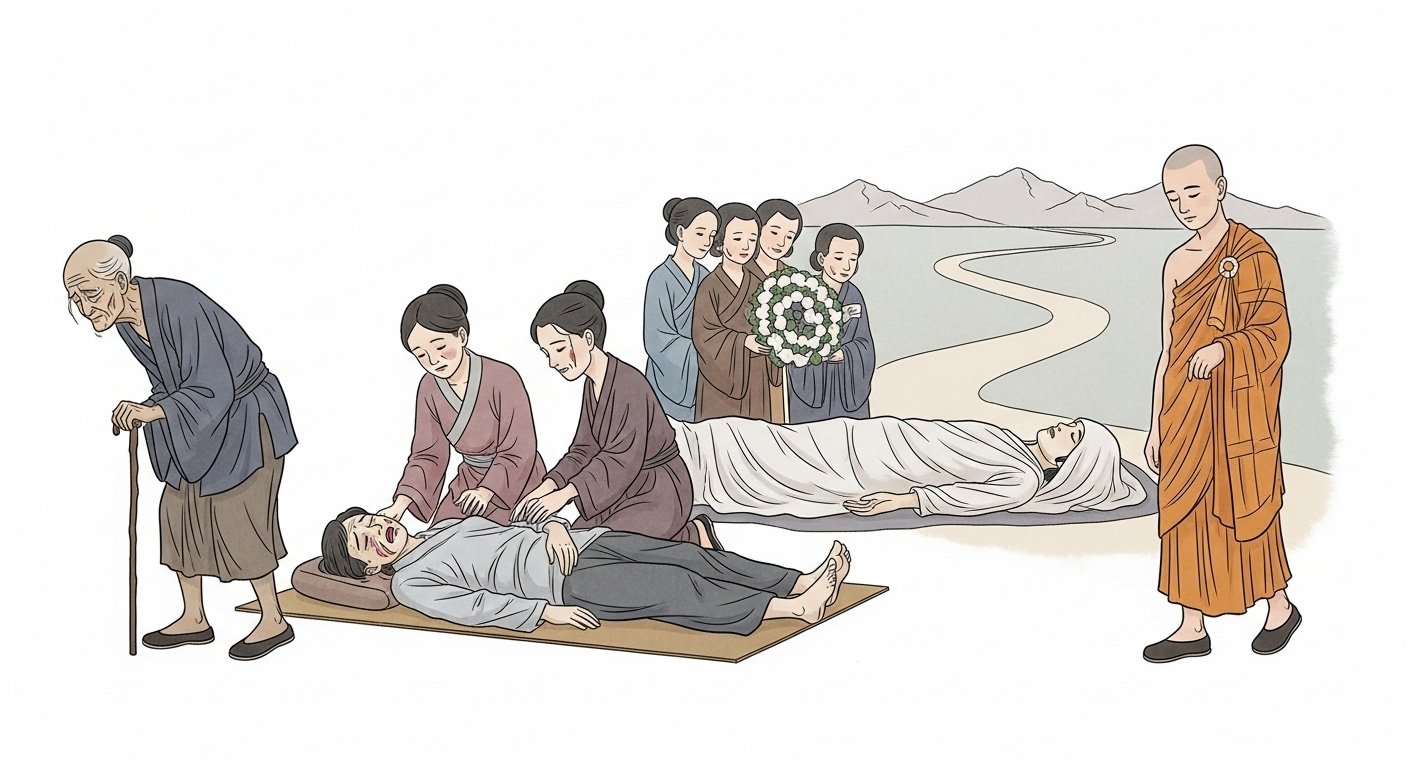
Although Siddhartha grew up sheltered, a series of life-changing encounters expanded his understanding of the human condition. While visiting the city beyond the palace walls, he saw an elderly person, a sick person, a corpse, and finally a serene wandering monk. These four sights deeply affected him. They revealed the inescapable truths of aging, illness, and death—and showed him that a spiritual path might offer liberation from suffering.
These moments awakened a profound inner questioning that could not be silenced:
What is the cause of suffering, and is there a path to true peace?

Birth and Early Life (563 BCE)

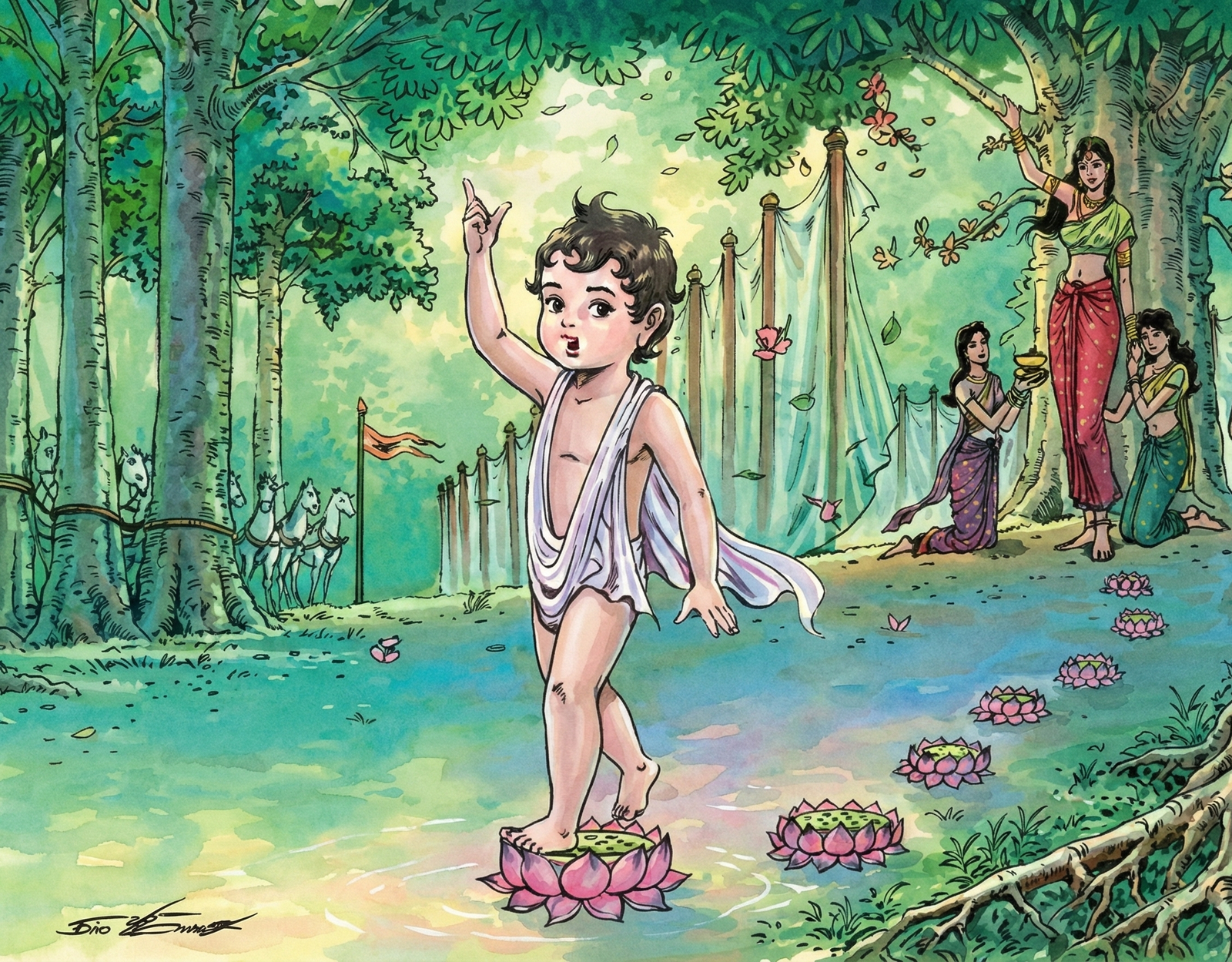
Siddhartha Gautama, who would later become the Buddha, was born around 563 BCE in Lumbini, a region that is now part of Nepal. He was born into the royal Shakya clan to King Suddhodana and Queen Maya. Tradition describes his birth as peaceful and auspicious. After his mother’s passing one week later, Siddhartha was lovingly raised by his aunt, Queen Mahapajapati.

Growing up in the city of Kapilavatthu, Siddhartha enjoyed a privileged and protected life. His father, wishing to shield him from the hardships and uncertainties of the world, ensured he received the finest education, martial training, and a life surrounded by comfort. At the age of sixteen, Siddhartha married Princess Yasodhara, and together they had a son named Rahula.