Universities/ Schools/ Corporate Events

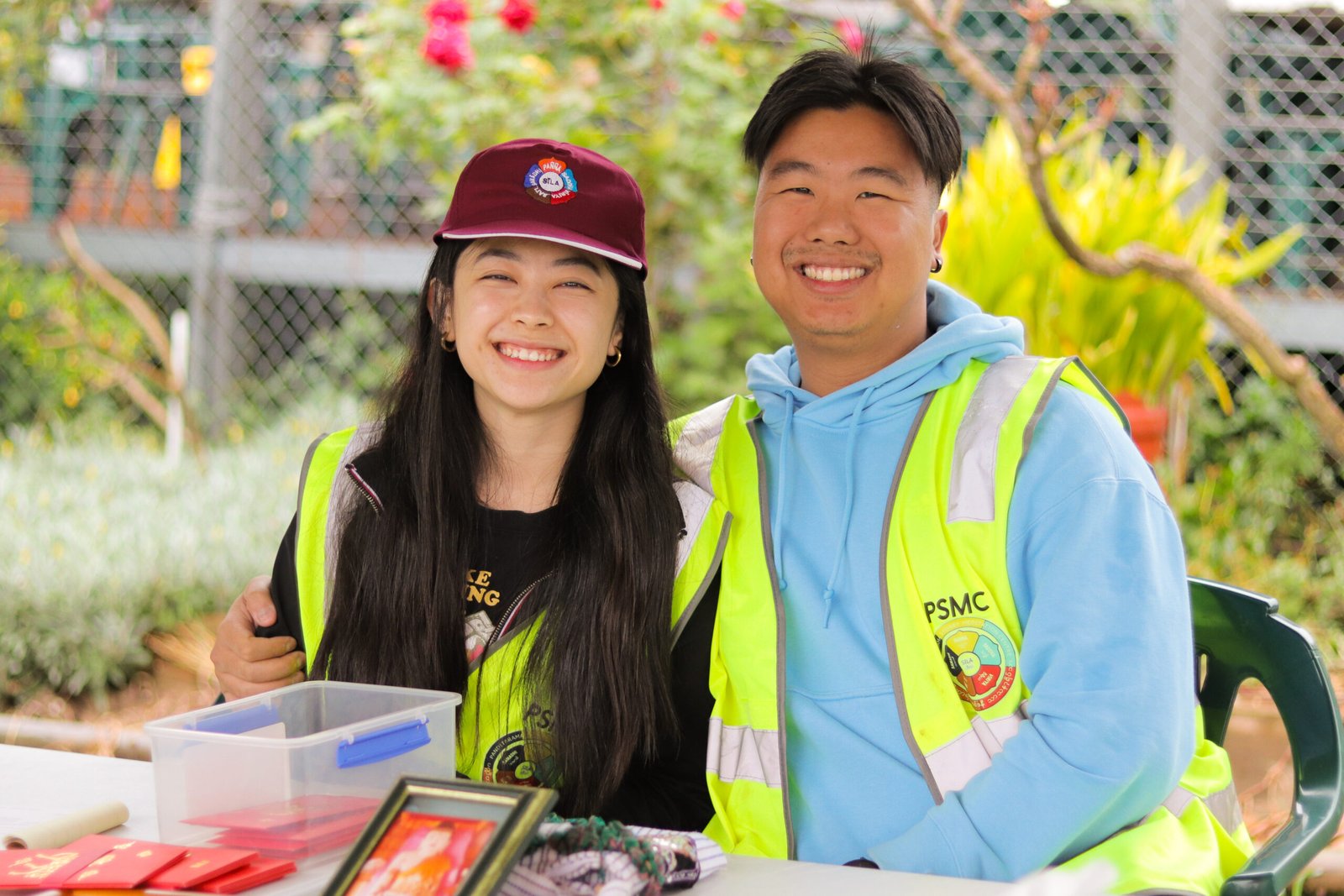
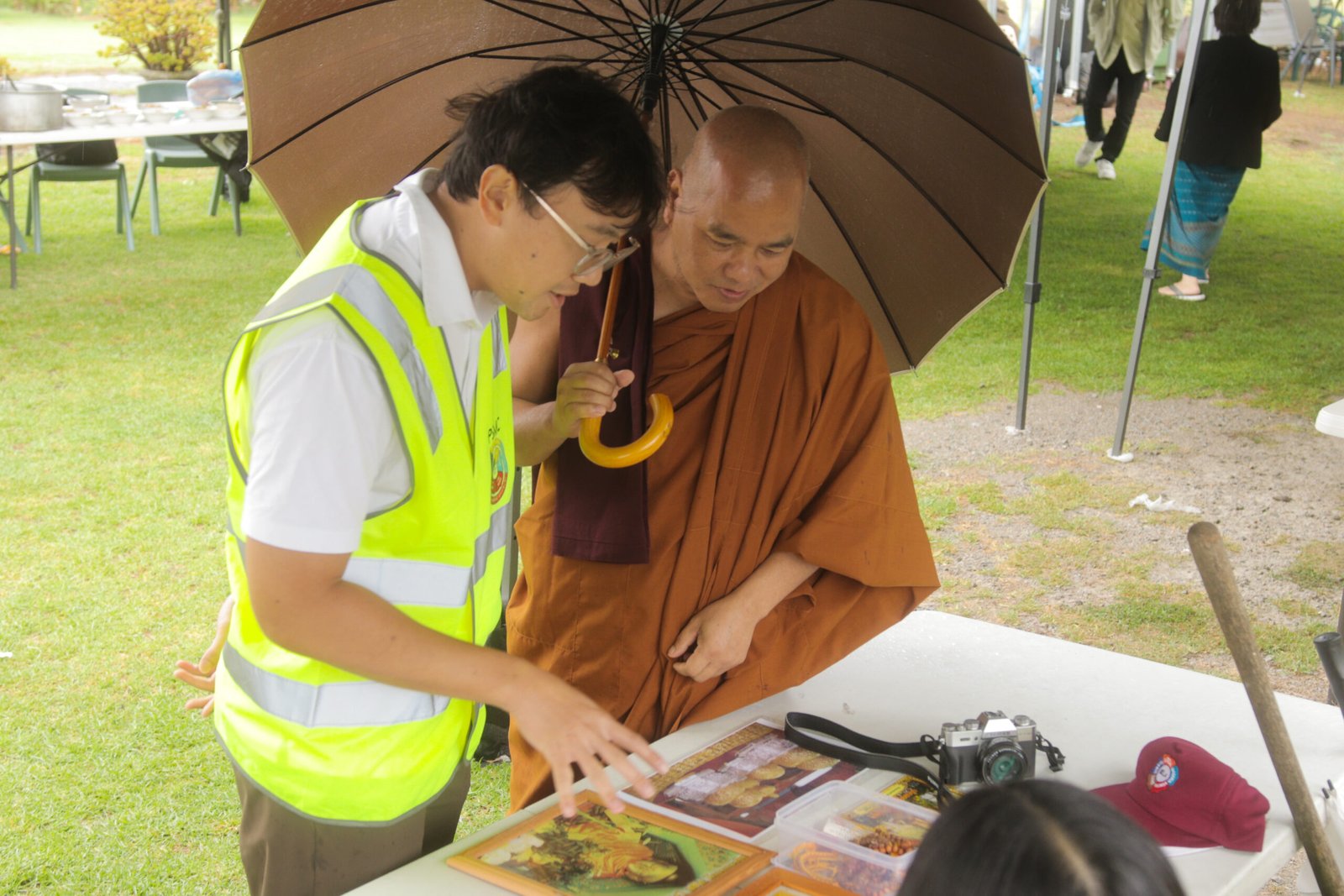
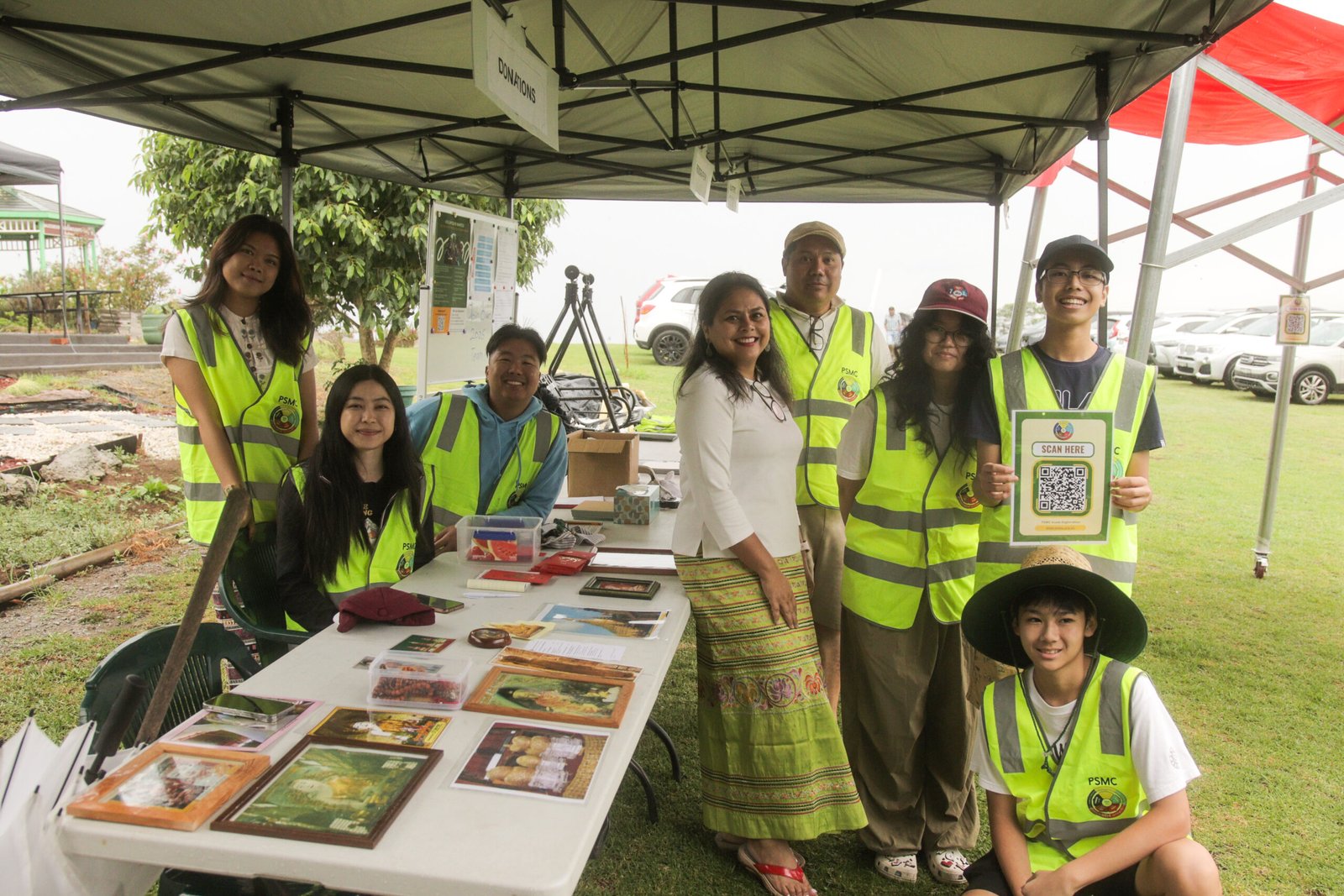
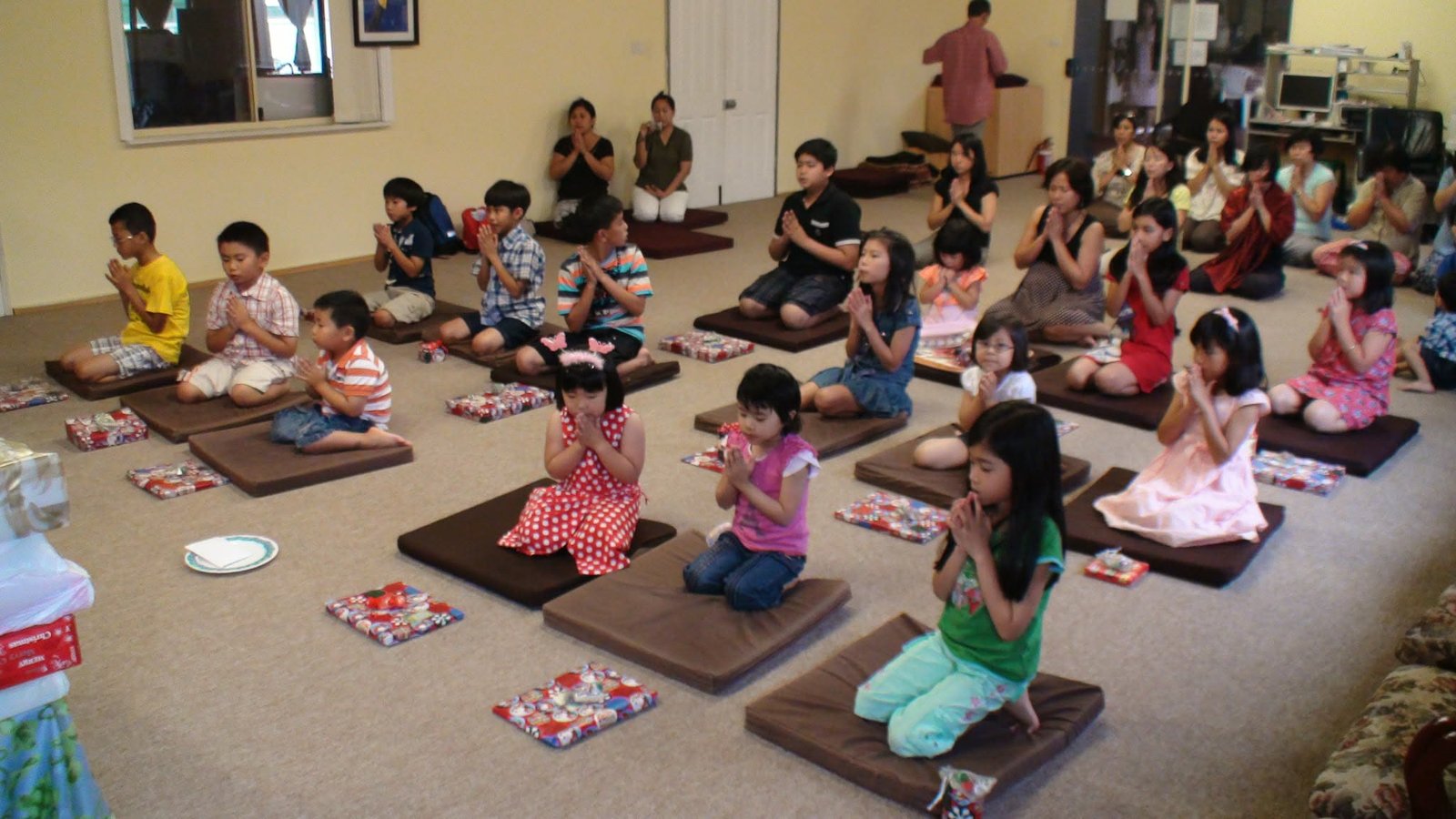
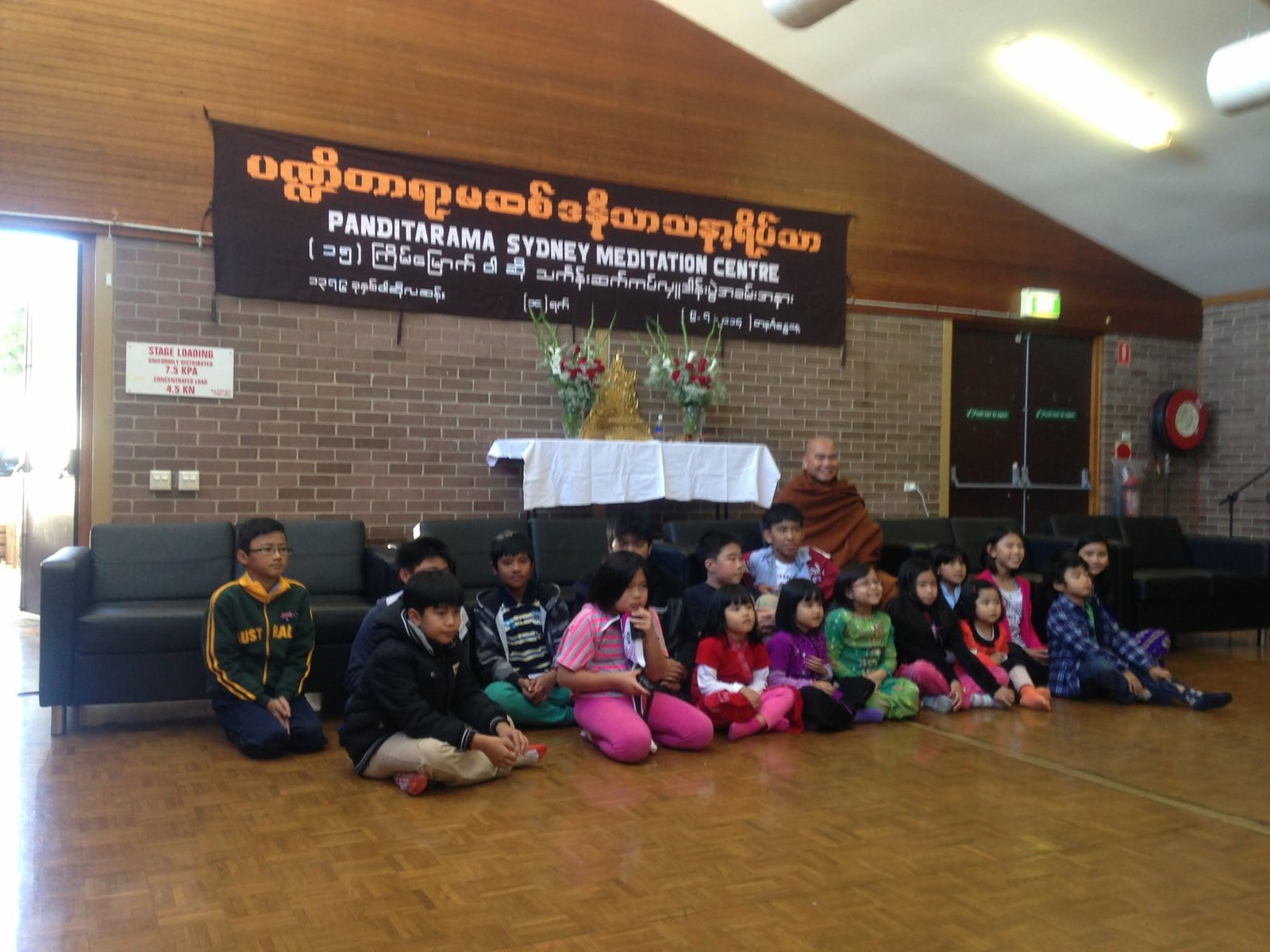
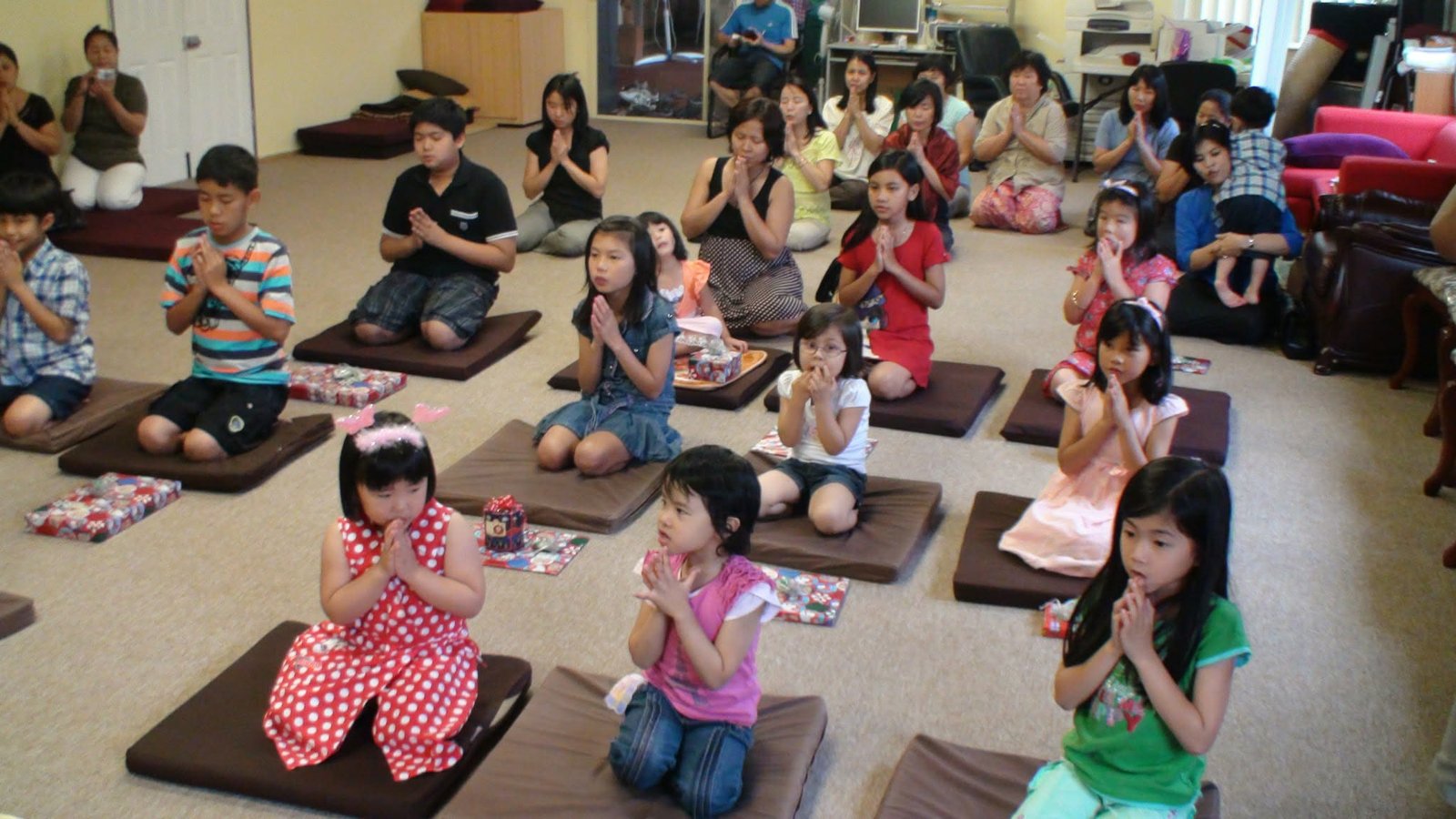
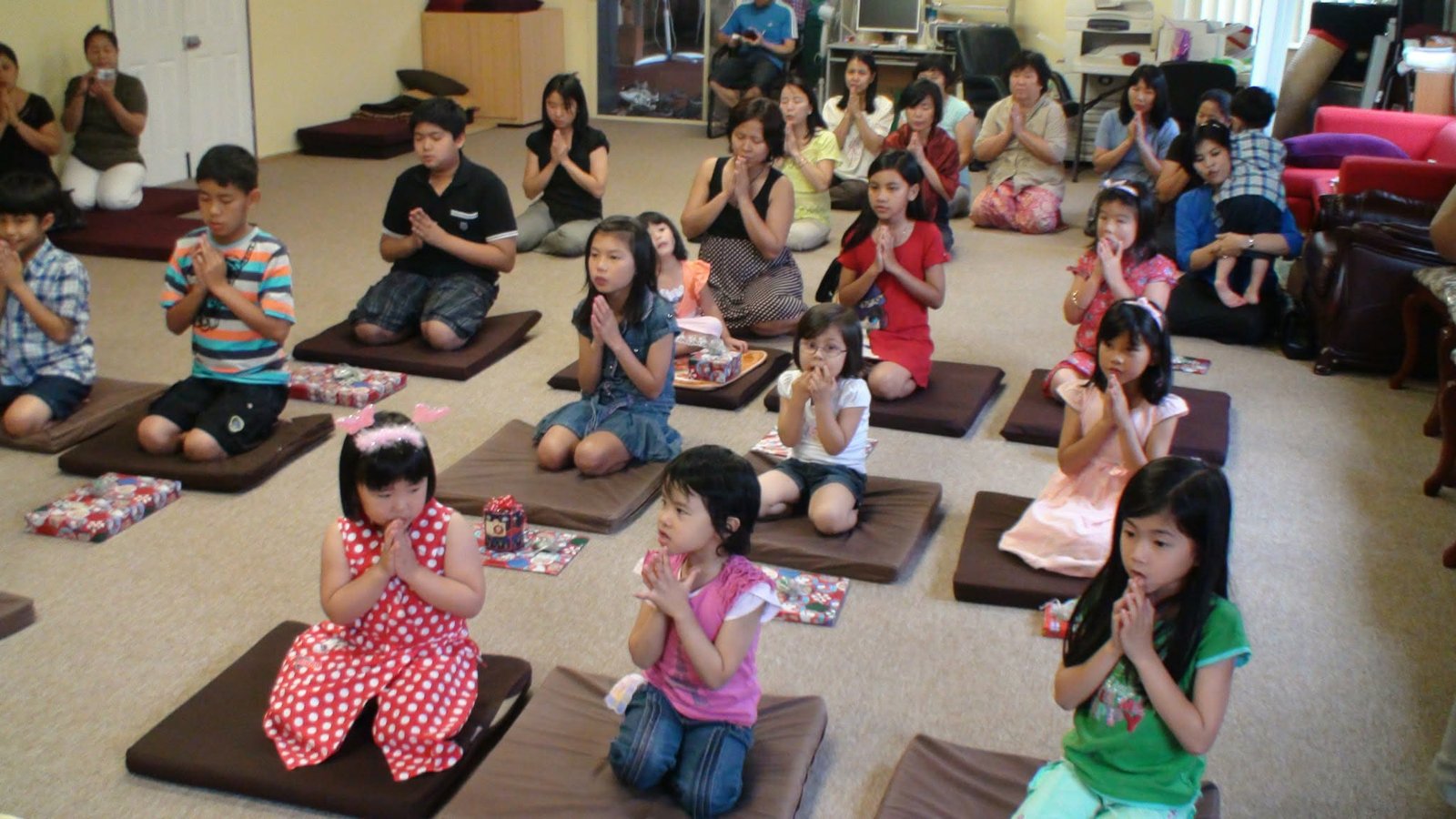
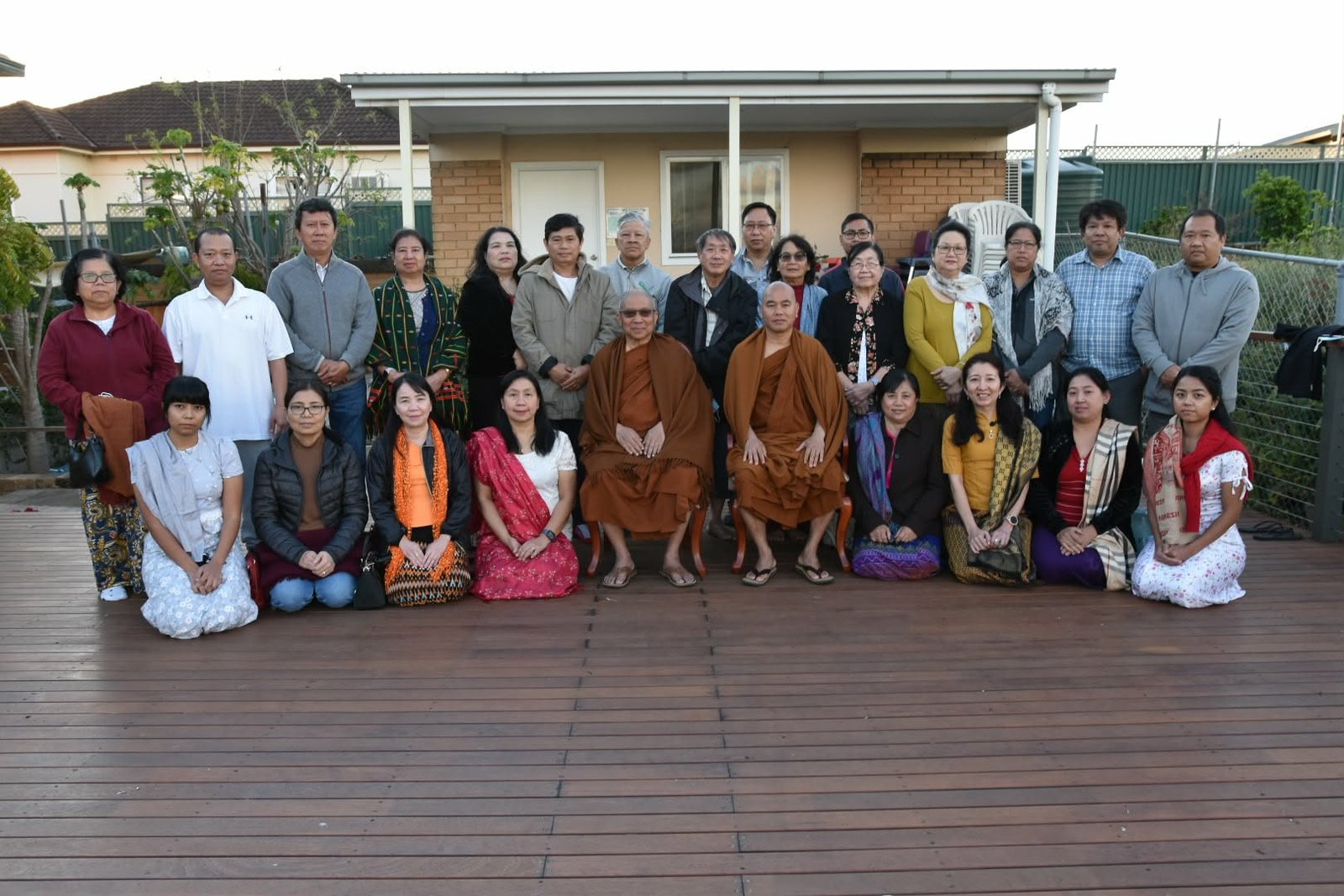
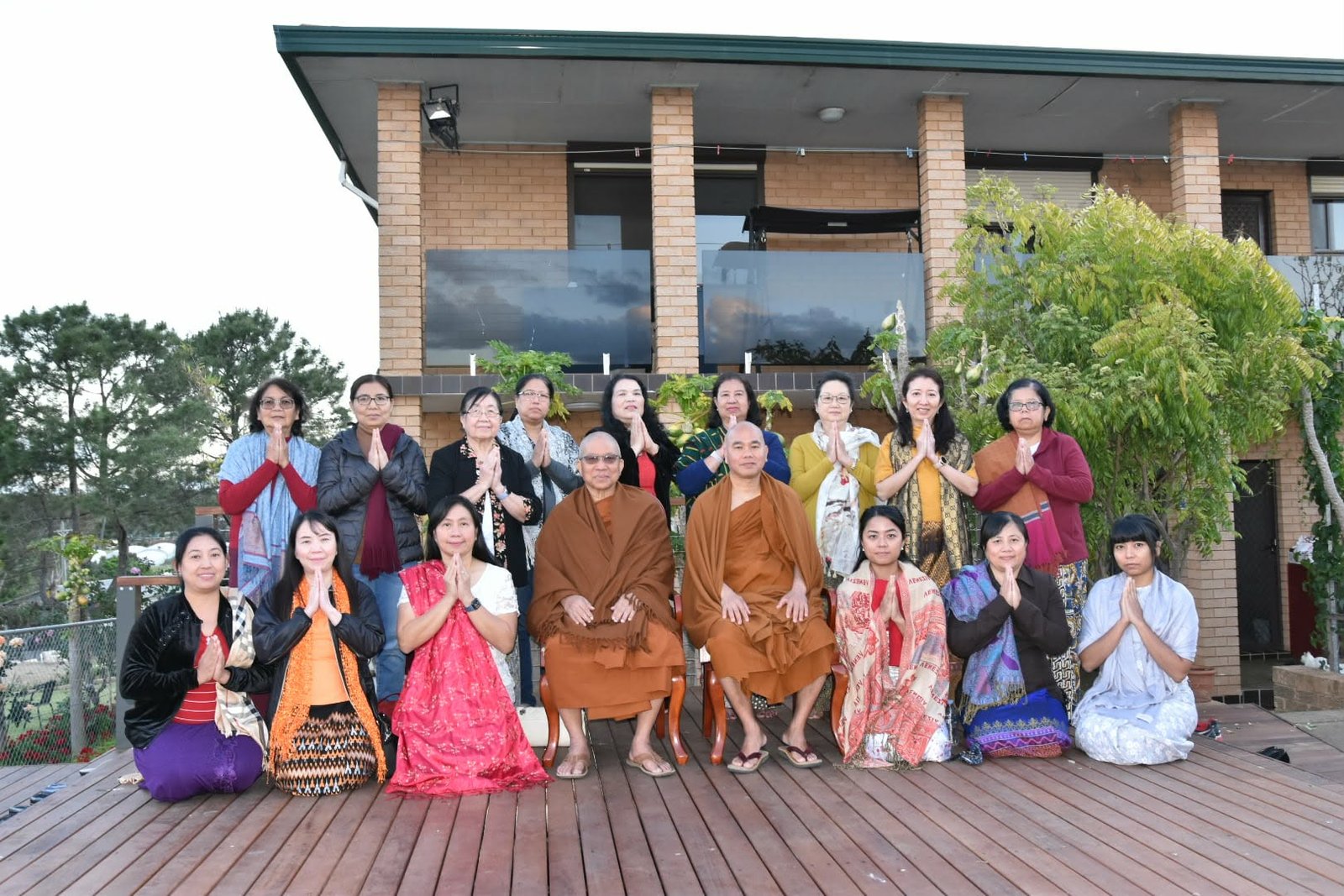
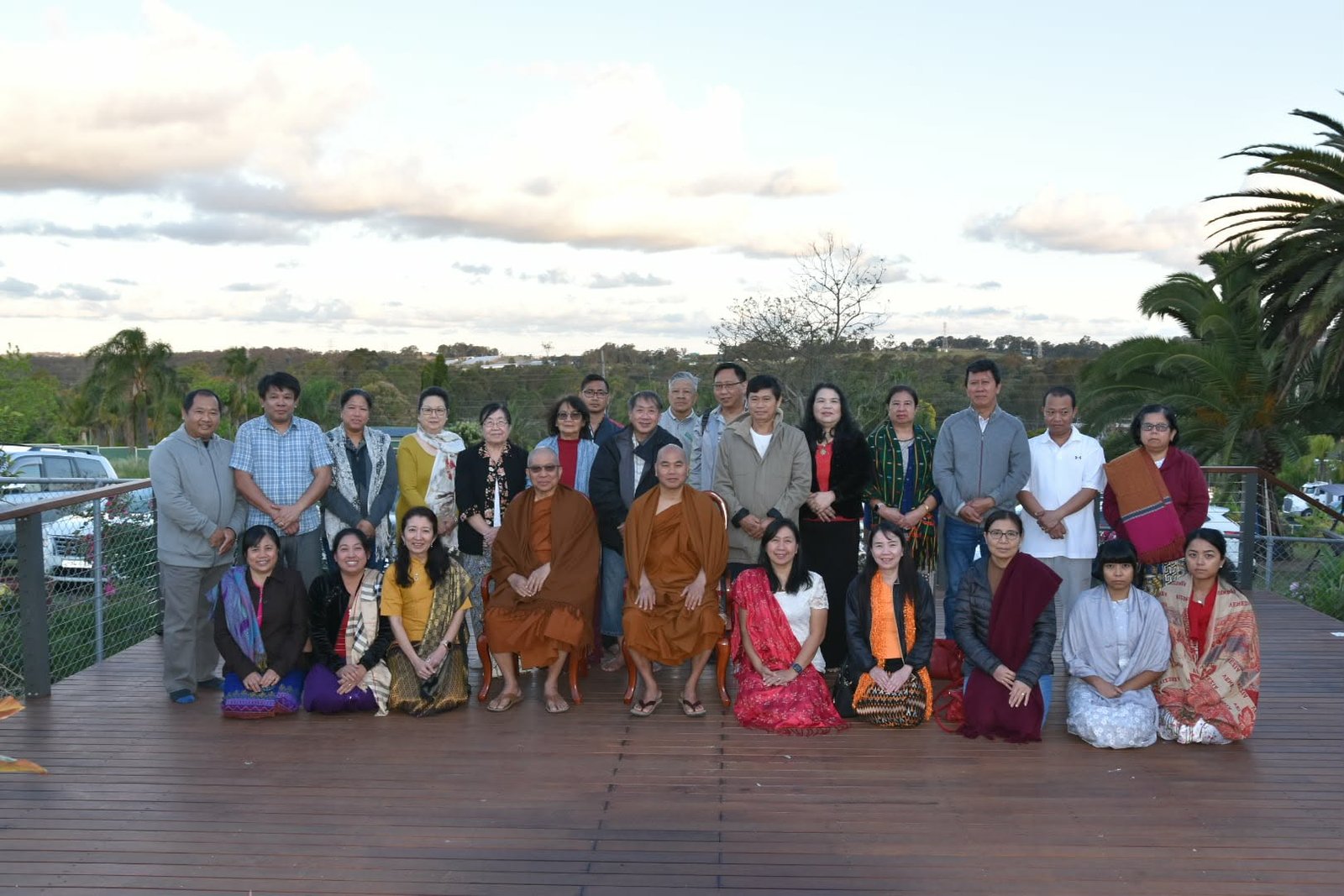
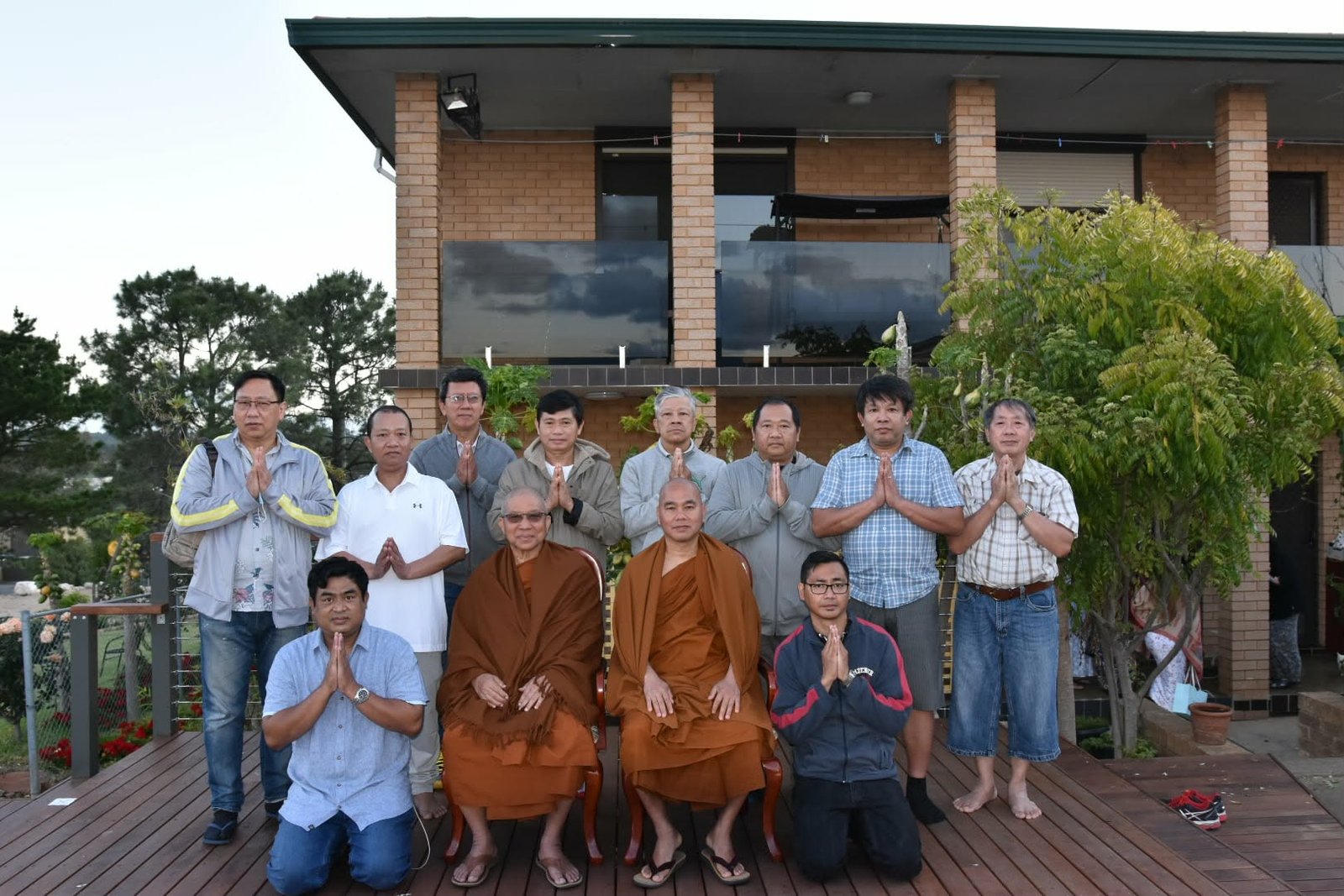
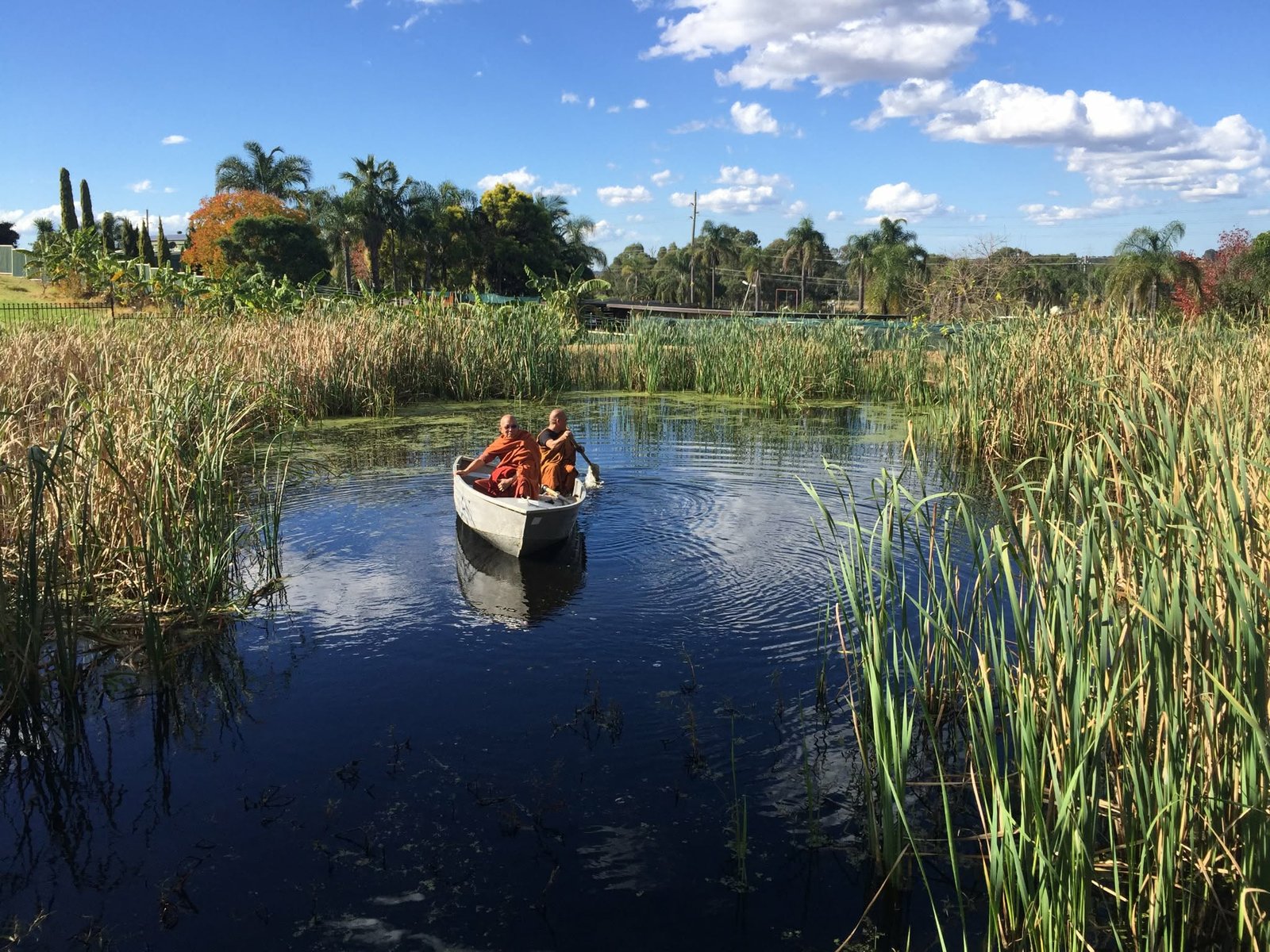
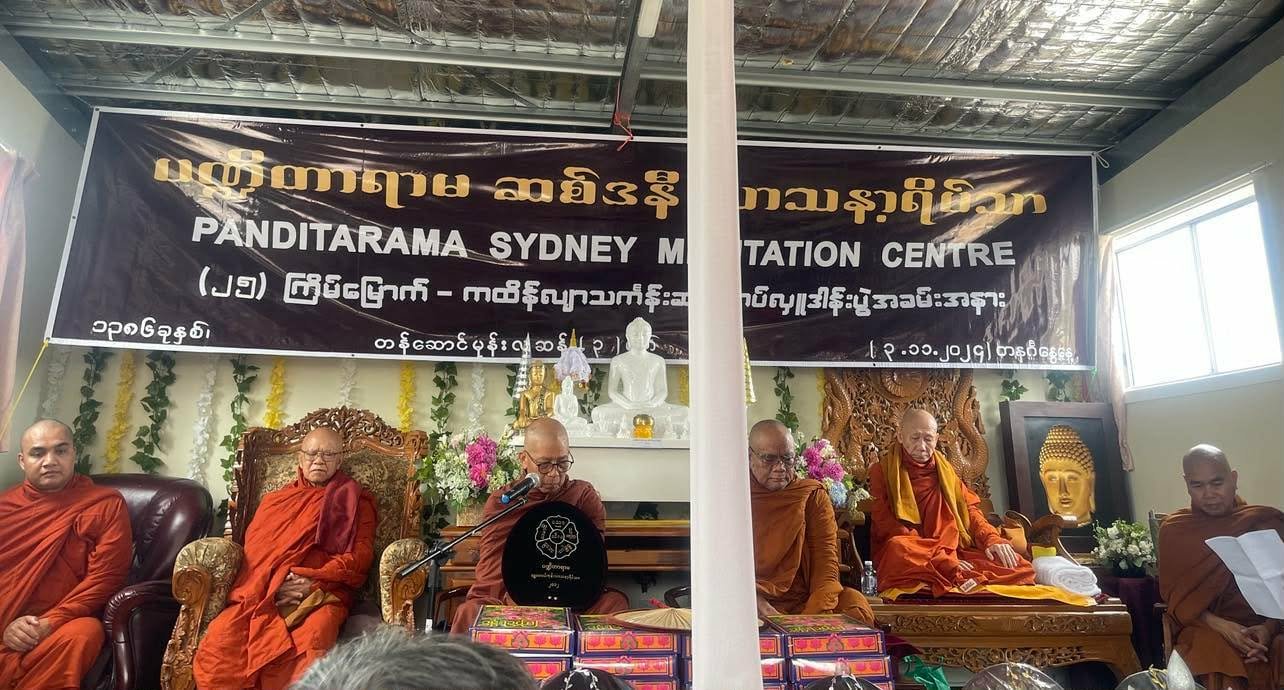
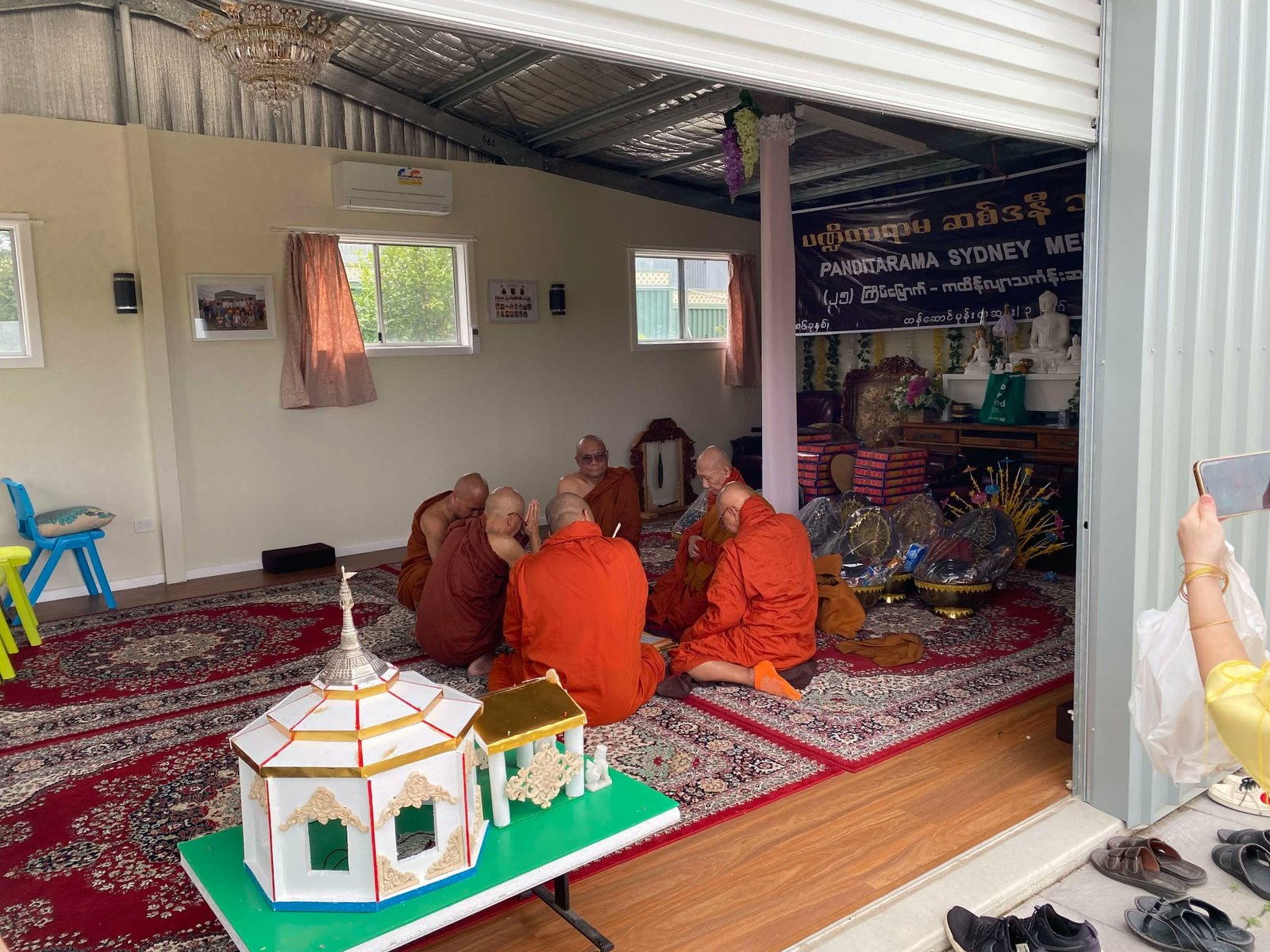
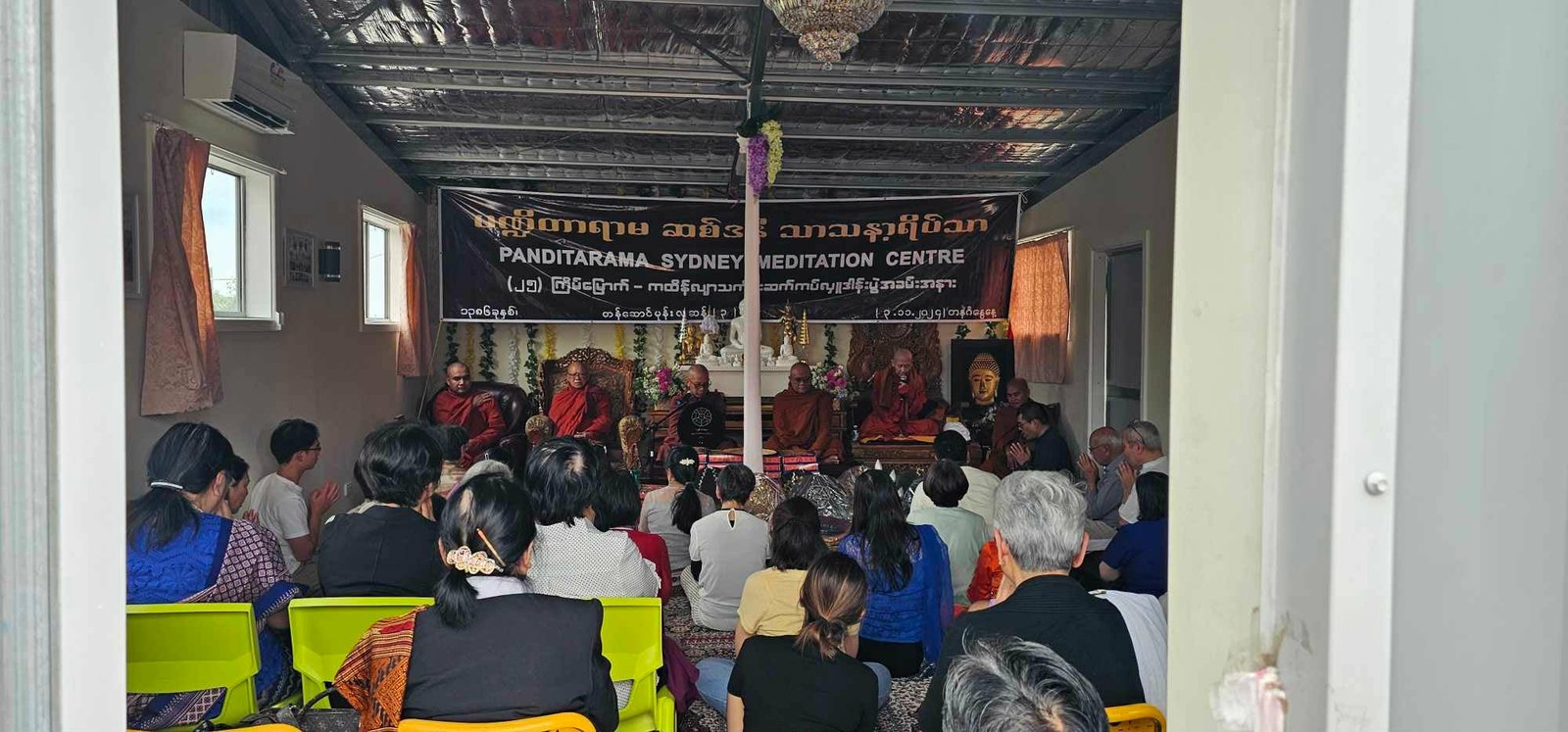
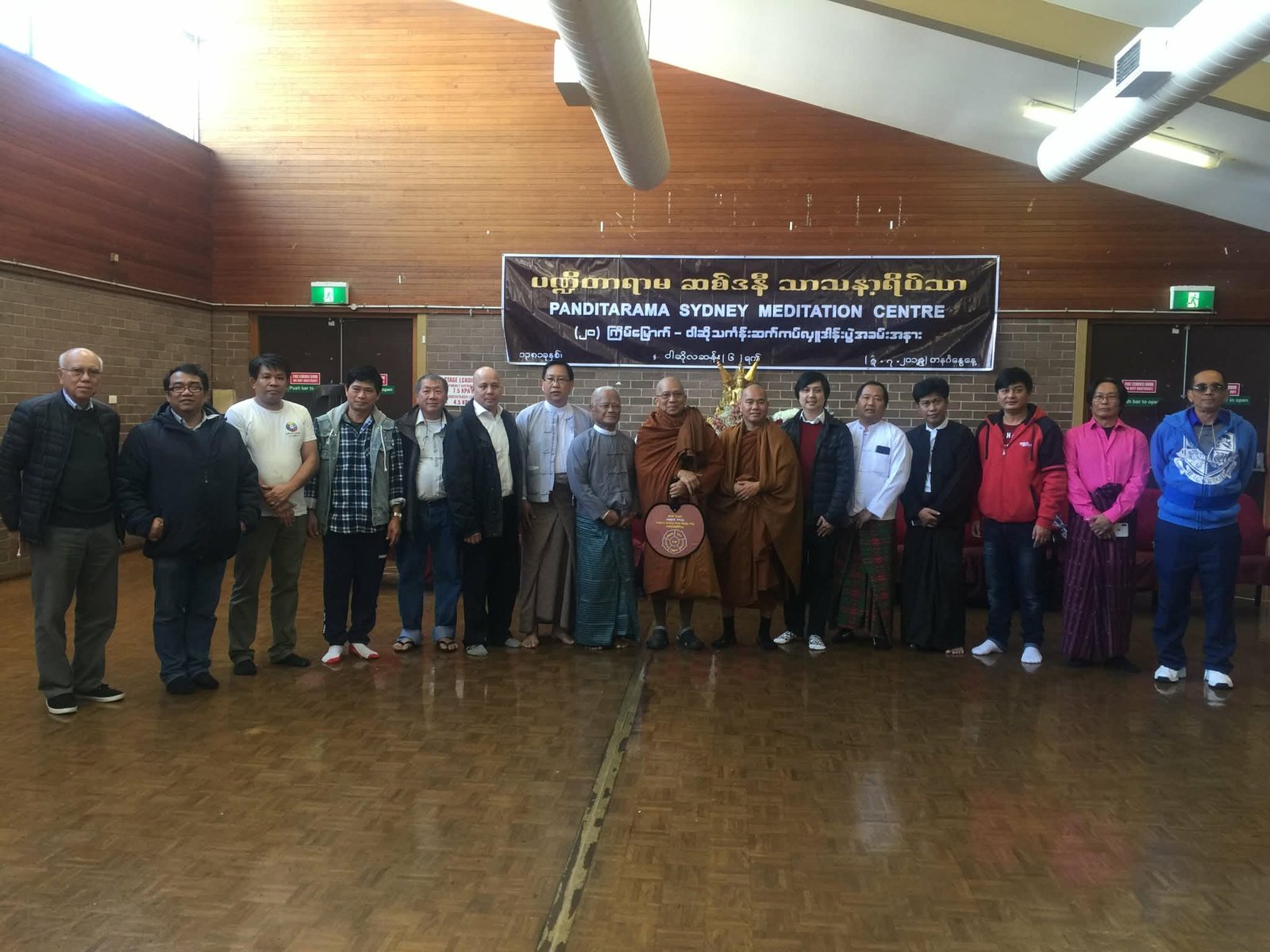
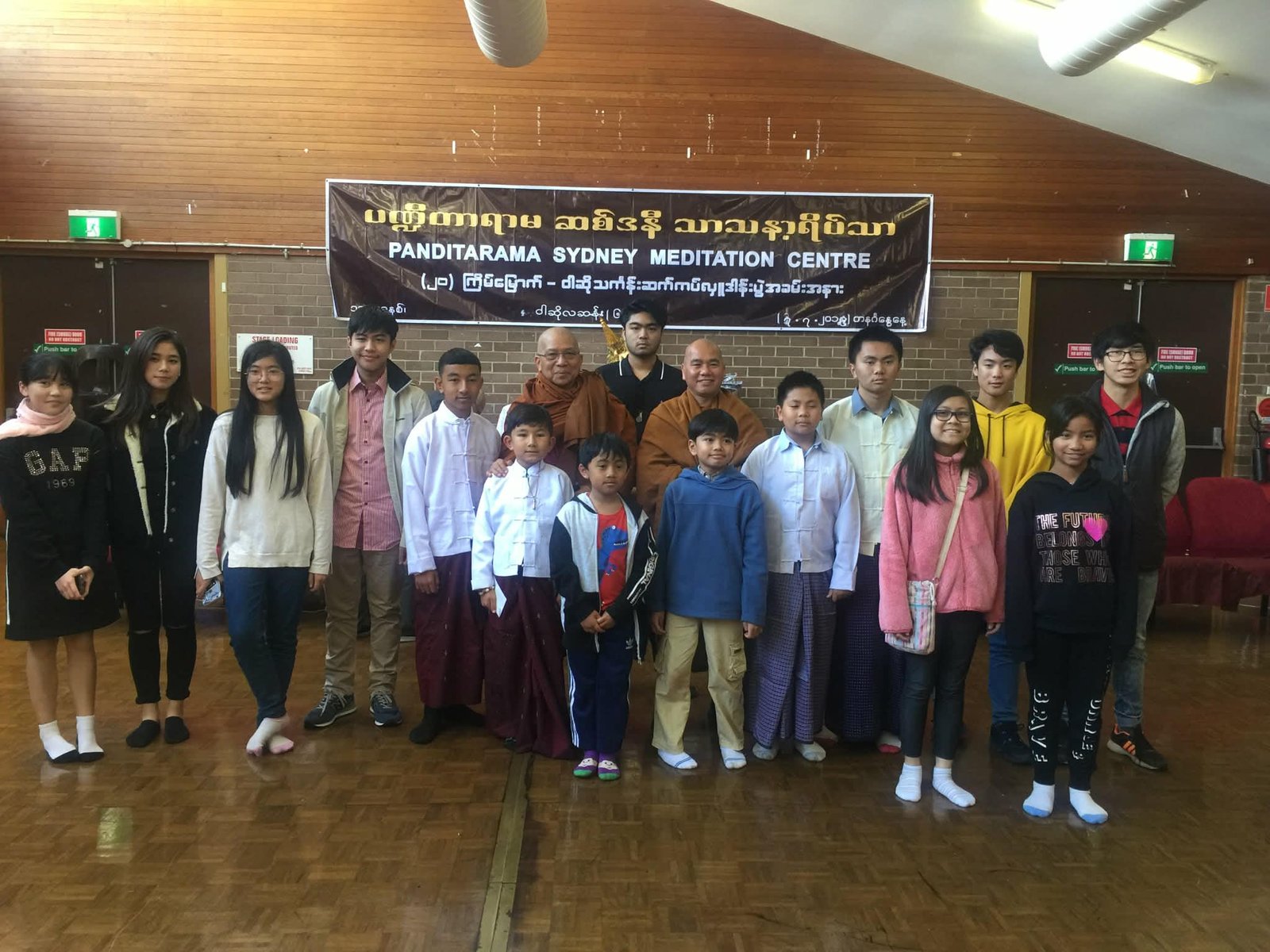
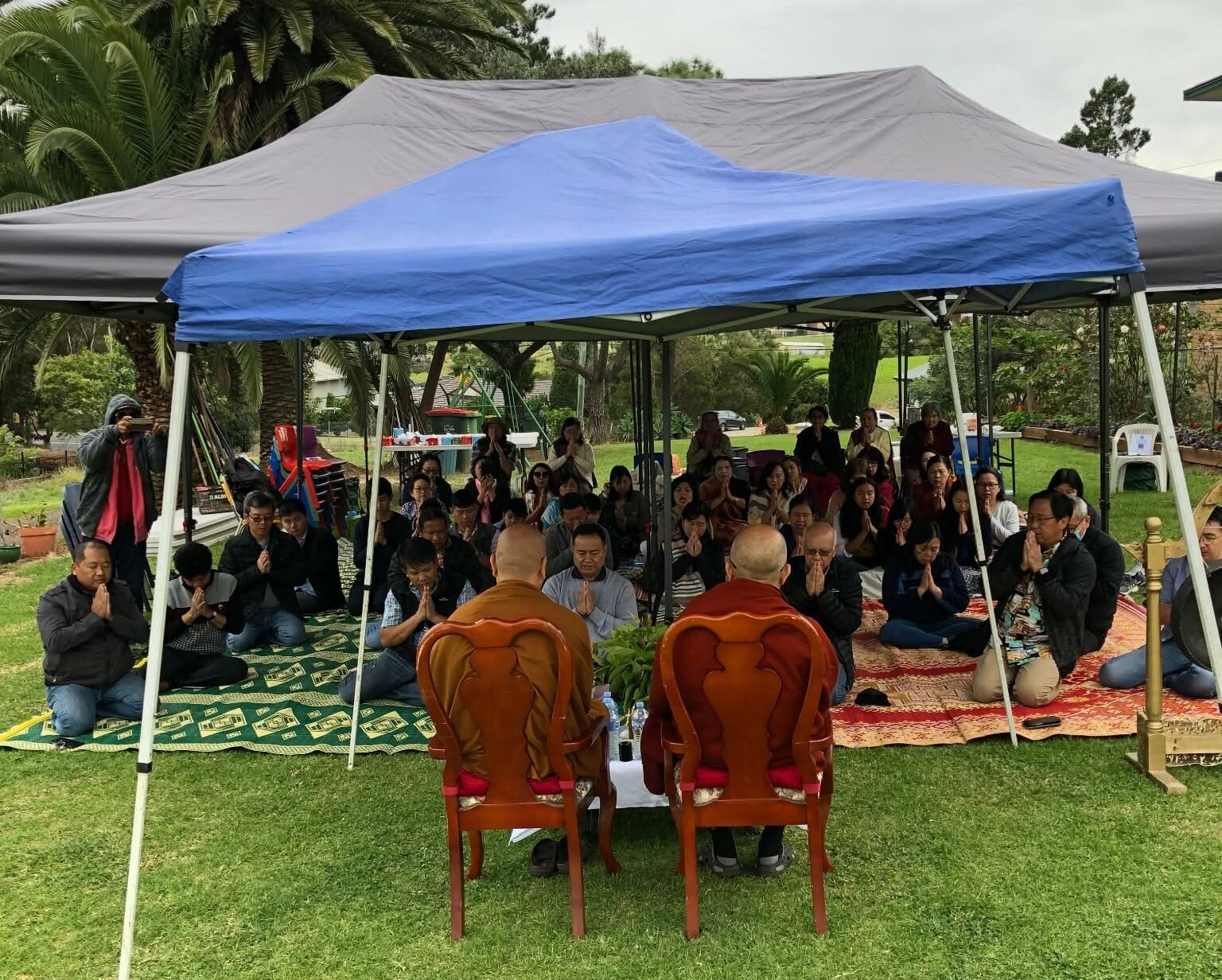
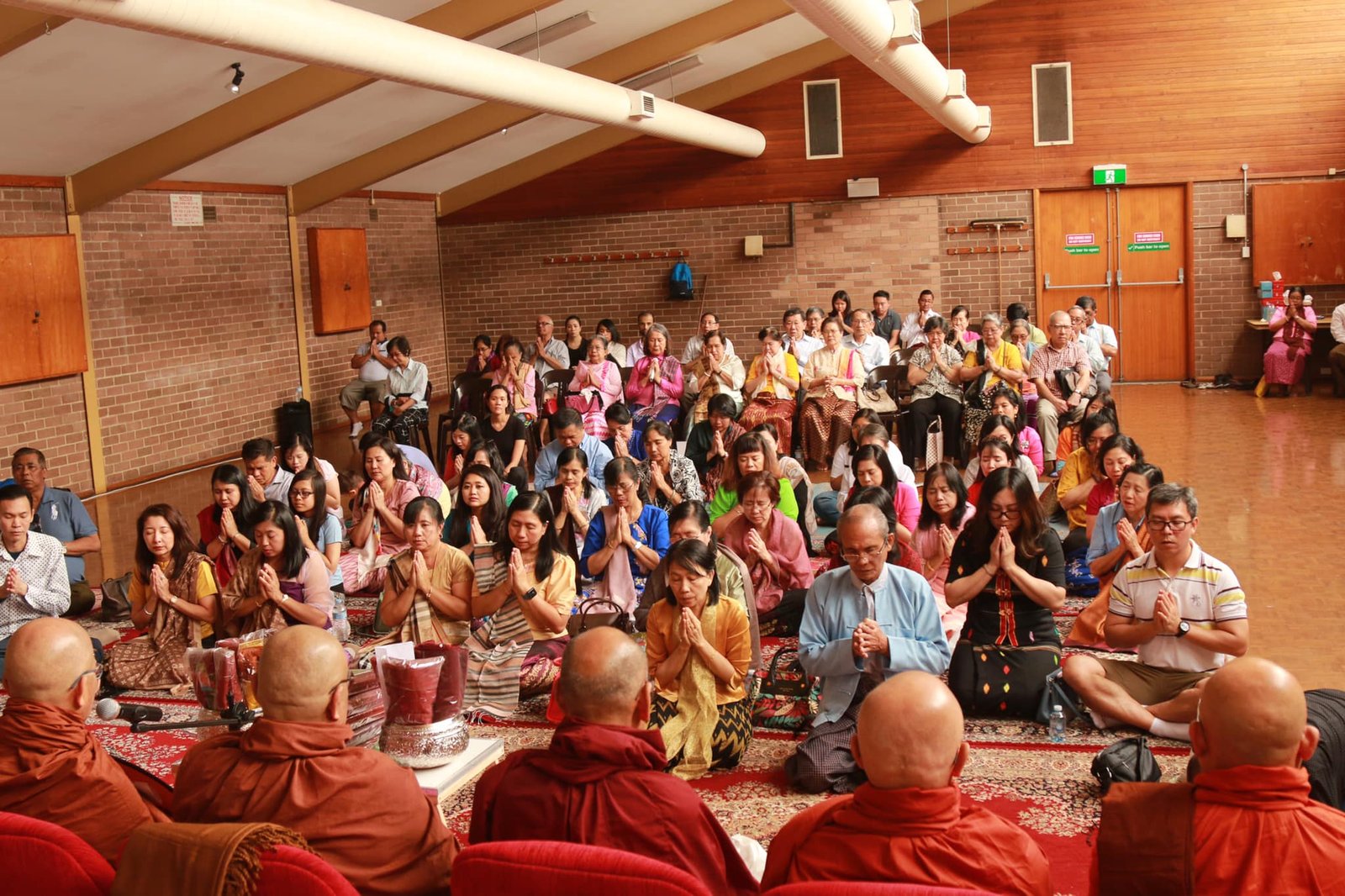
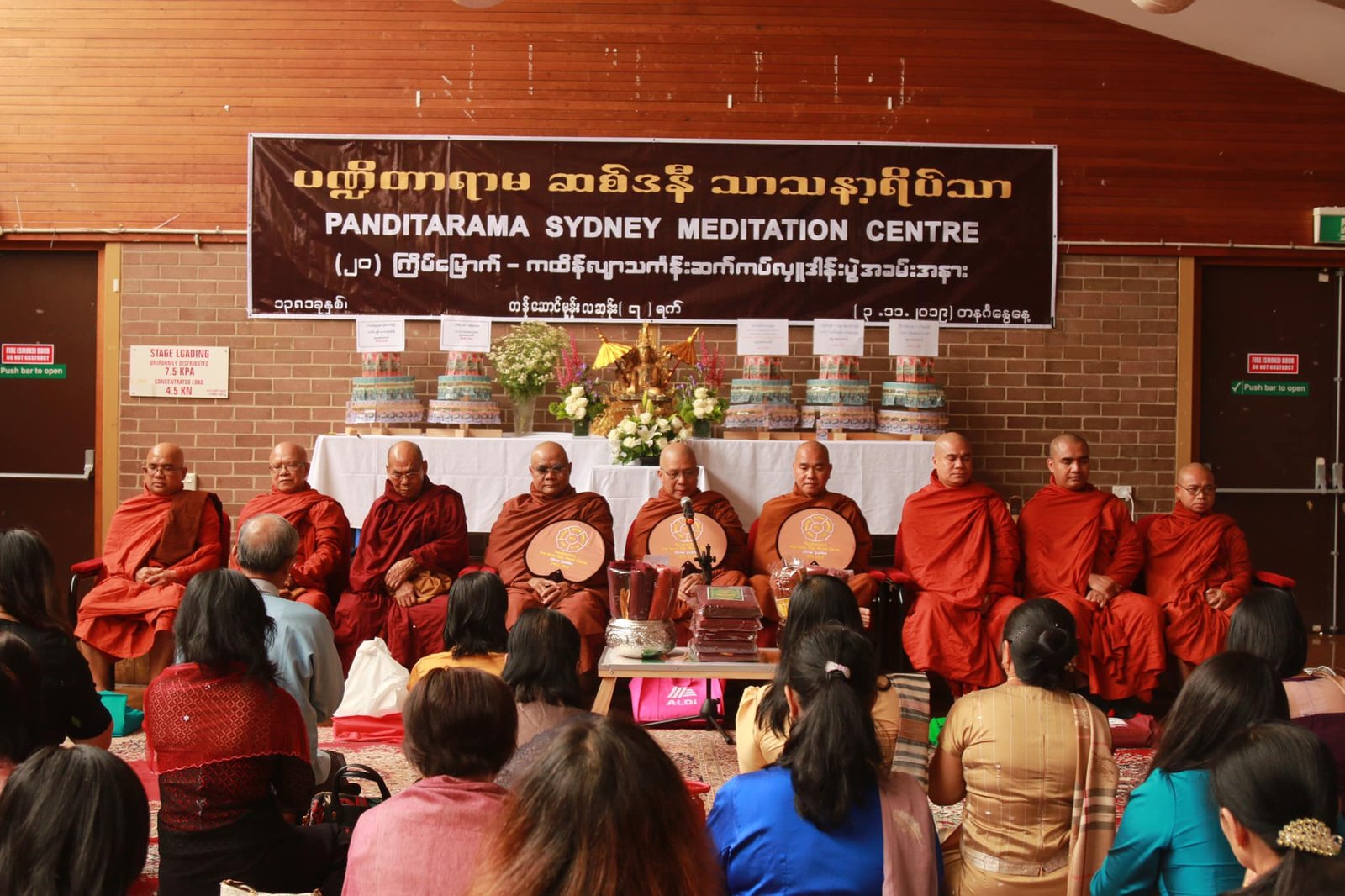
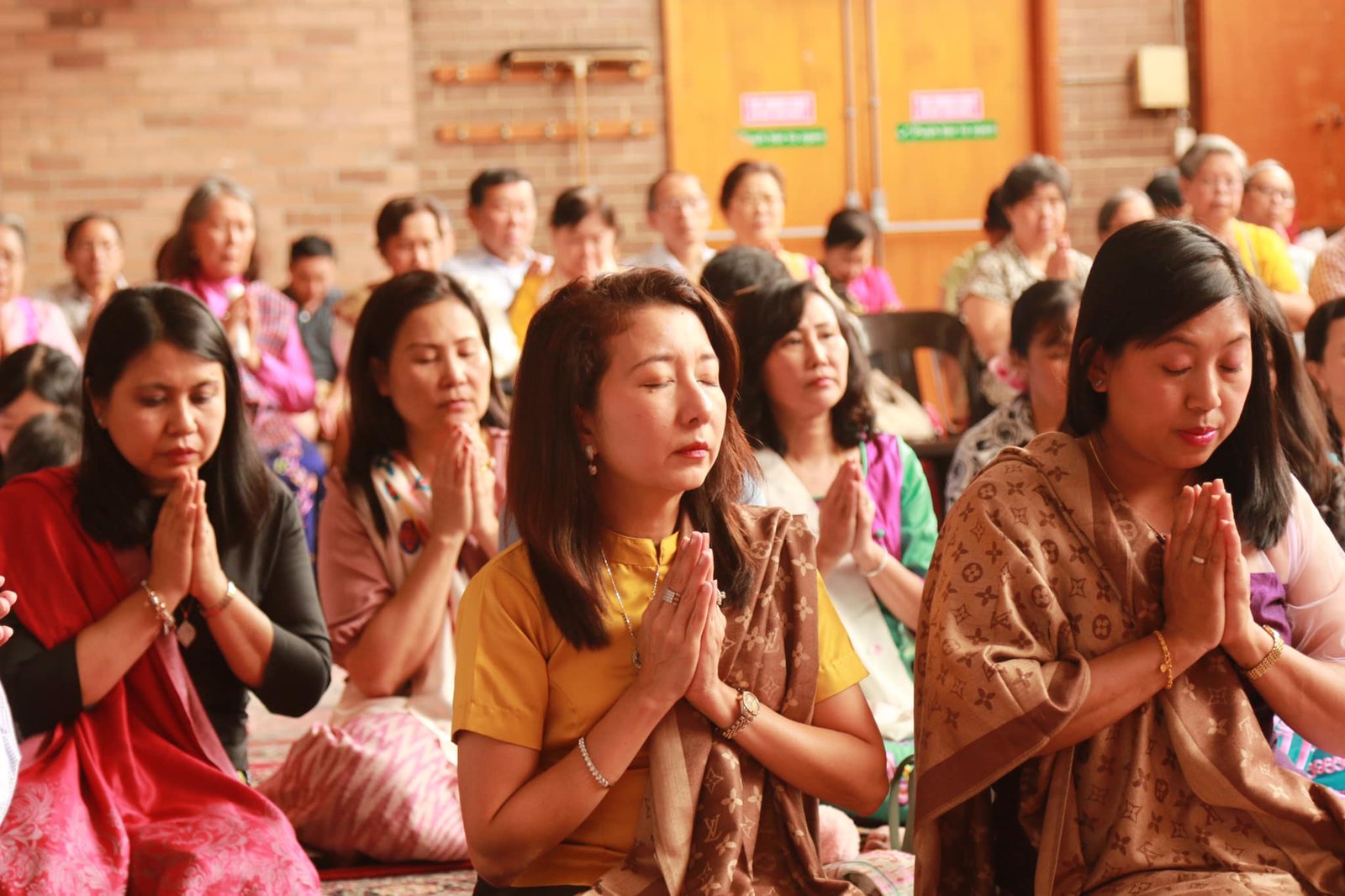
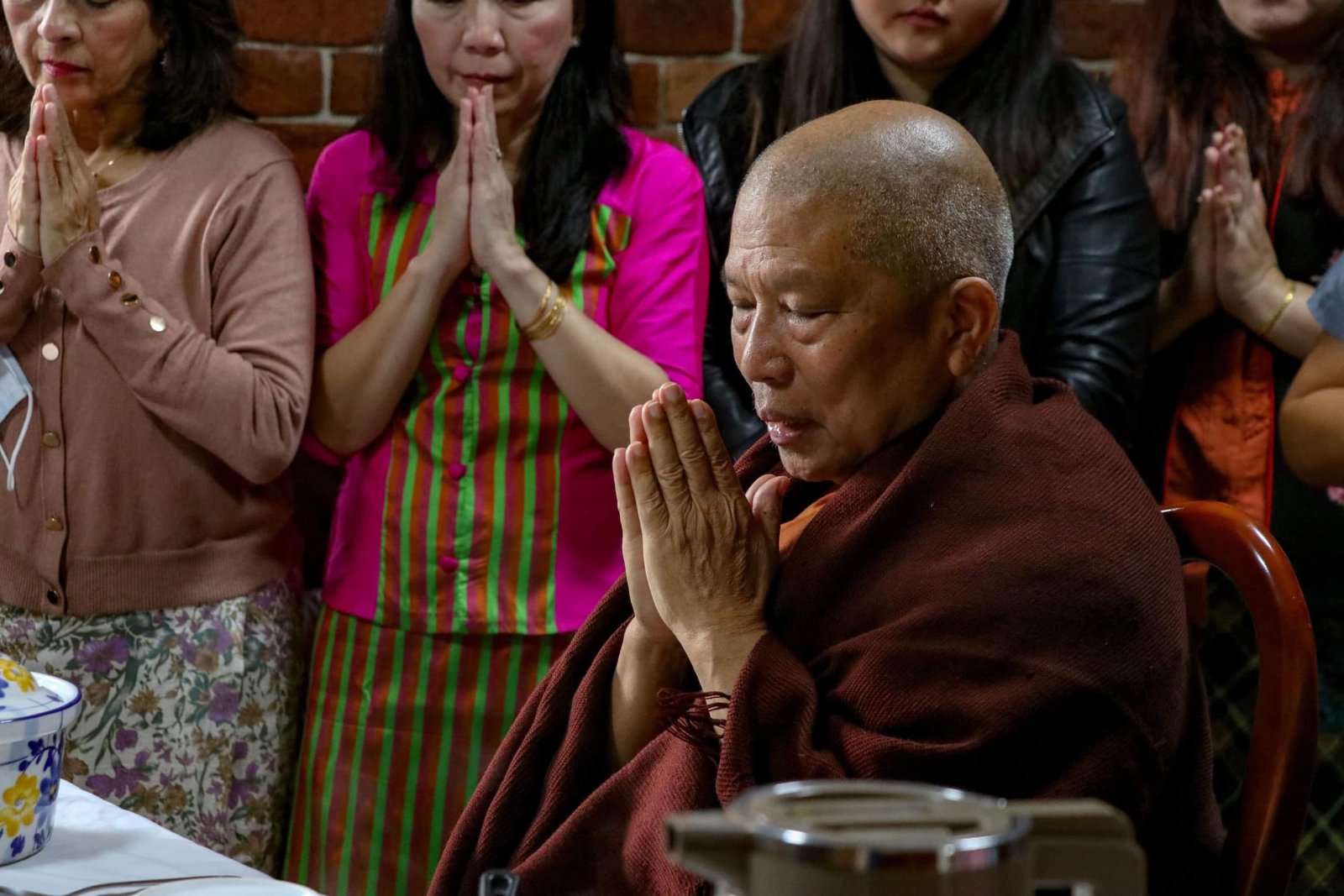
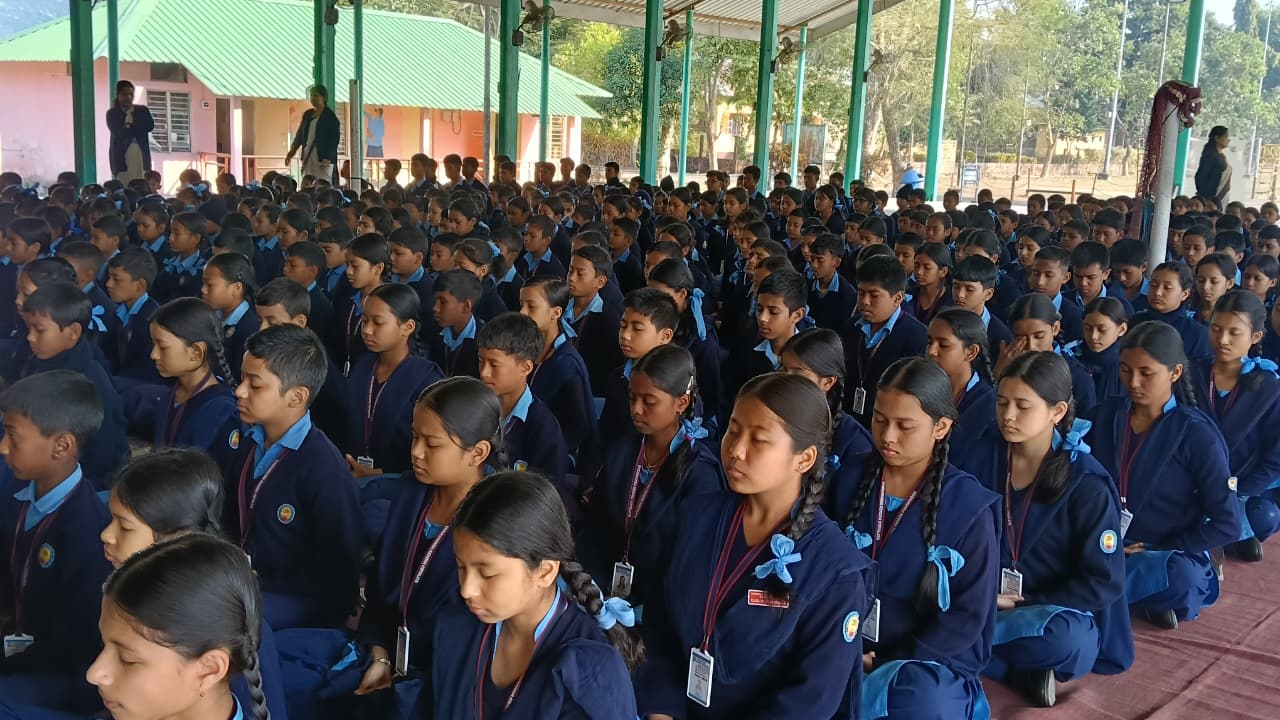
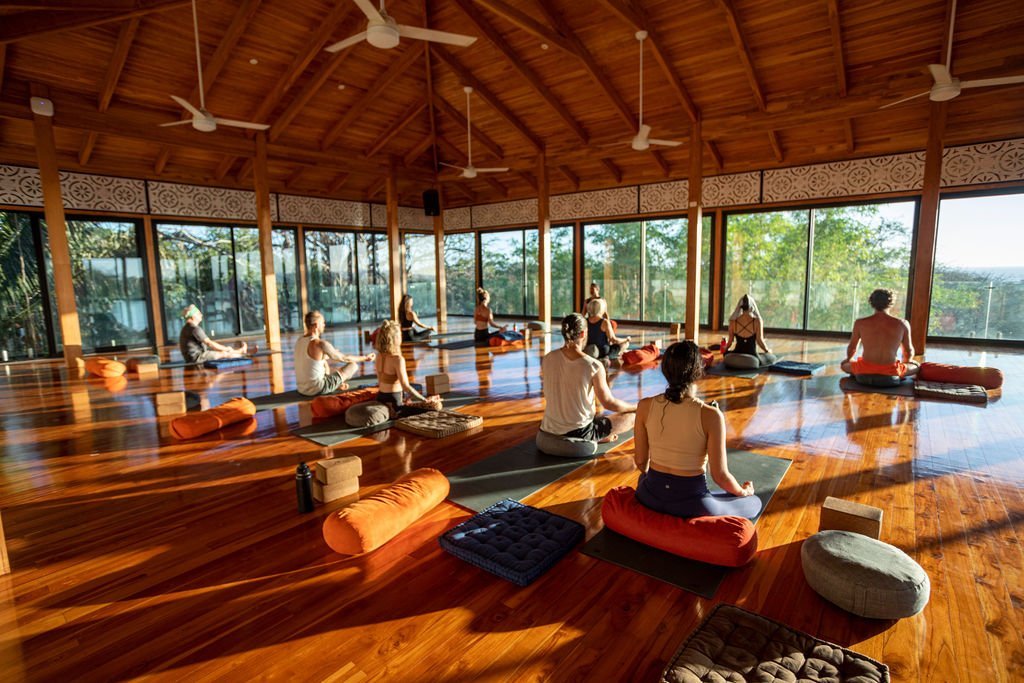
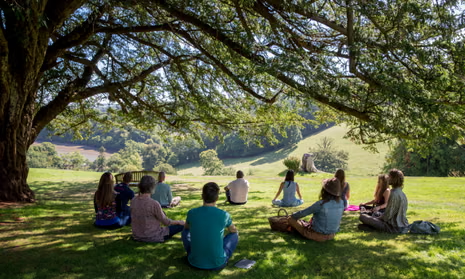
Panditarama Sydney Meditation Centre (PSMC) offers free guided meditation sessions tailored for corporates, Universities, schools, and other educational or workplace environments. These sessions aim to introduce mindfulness and Vipassana meditation practices to help participants cultivate calm, focus, and emotional balance in their daily lives.

Who Can Benefit

Session Highlights

Program Goals

How the Sessions Work

Booking a Session

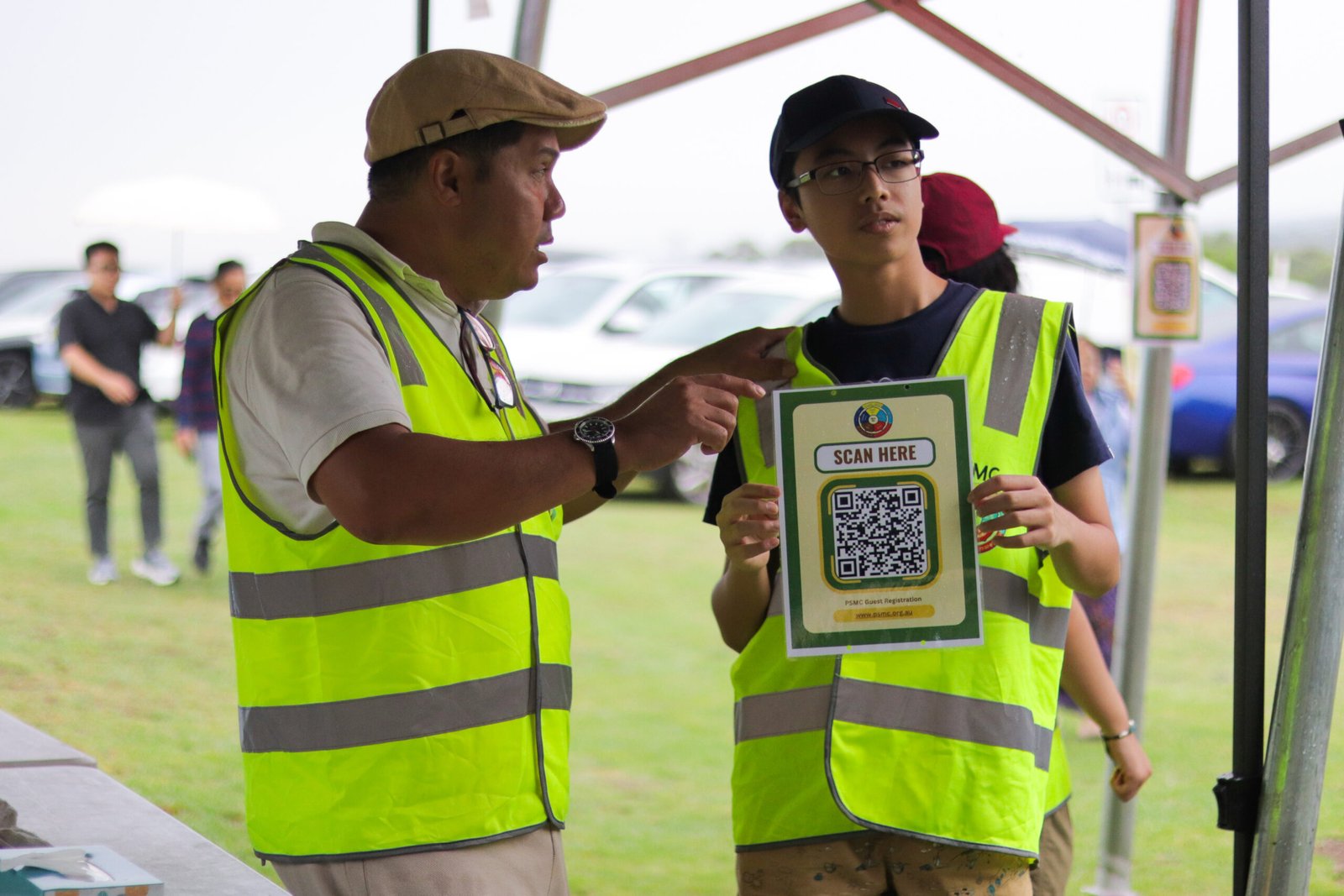
To schedule a free meditation session at your workplace, university, or school, please contact Panditarama Sydney Meditation Centre in advance. Our team will help organize a program that suits your schedule and participants’ needs.
meditation retreat form

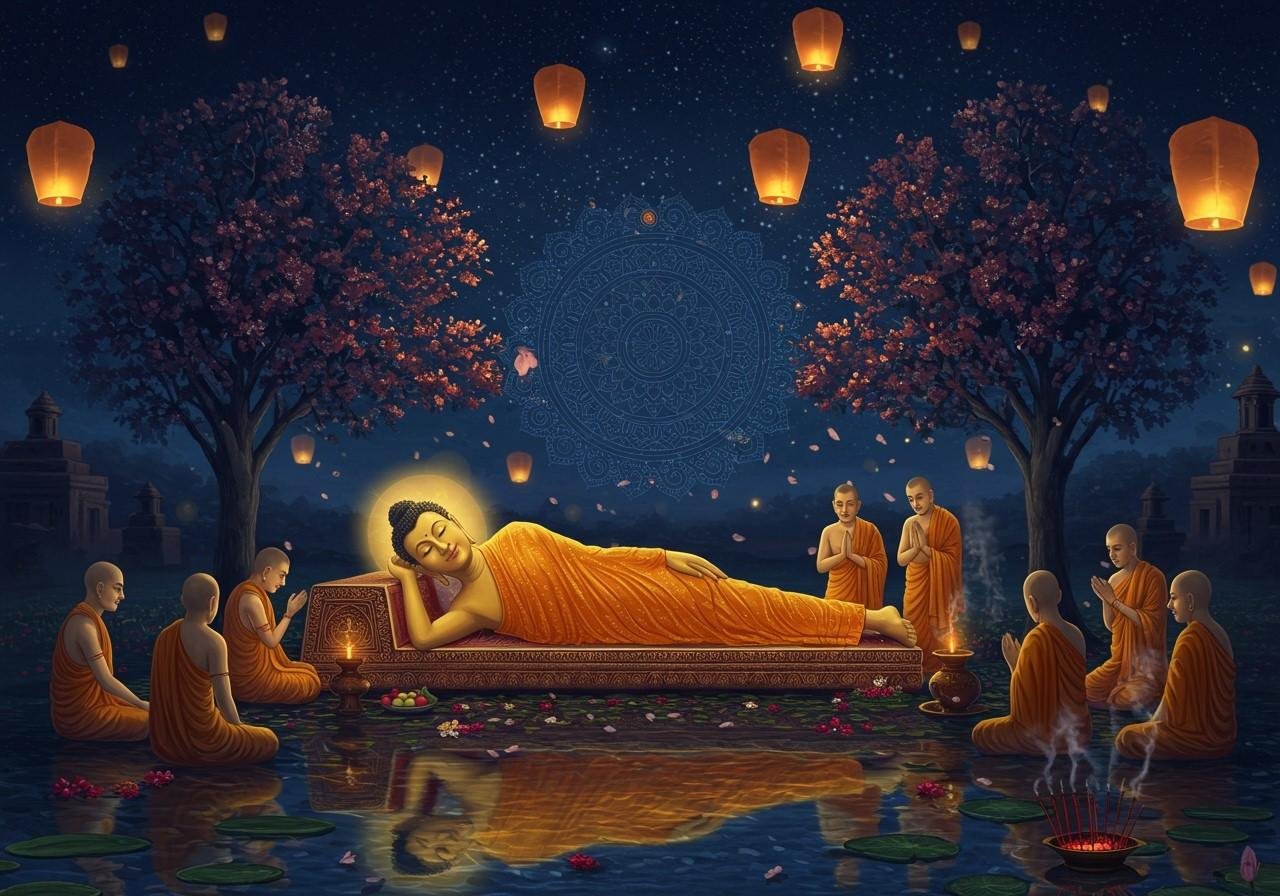
Final Days and Parinibbana (Age 80)

At the age of 80, the Buddha sensed his life was nearing its end. He continued teaching until his final moments, offering guidance to his disciples on maintaining harmony and staying committed to the path.
The Buddha passed away peacefully in Kushinagar, entering Parinibbana—the final liberation from the cycle of birth and death. His teachings, preserved for over 2,500 years, have since spread throughout the world and remain a source of wisdom and transformation today.

The Buddha’s life demonstrates that profound inner peace and liberation are attainable through understanding, ethical living, and mindfulness.

Forty-Five Years of Teaching

For the next 45 years, the Buddha travelled widely across northern India, sharing his teachings with anyone eager to learn—monks, nuns, farmers, royalty, merchants, and people from all walks of life. His teachings emphasised wisdom, moral conduct, mindfulness, compassion, and the potential for every being to awaken.
He established monastic communities, guided thousands of followers, and offered practical teachings that continue to resonate today. The Buddha taught in a simple and accessible manner, focusing on understanding the mind, cultivating virtue, and realising inner peace.

The First Teaching at Deer Park

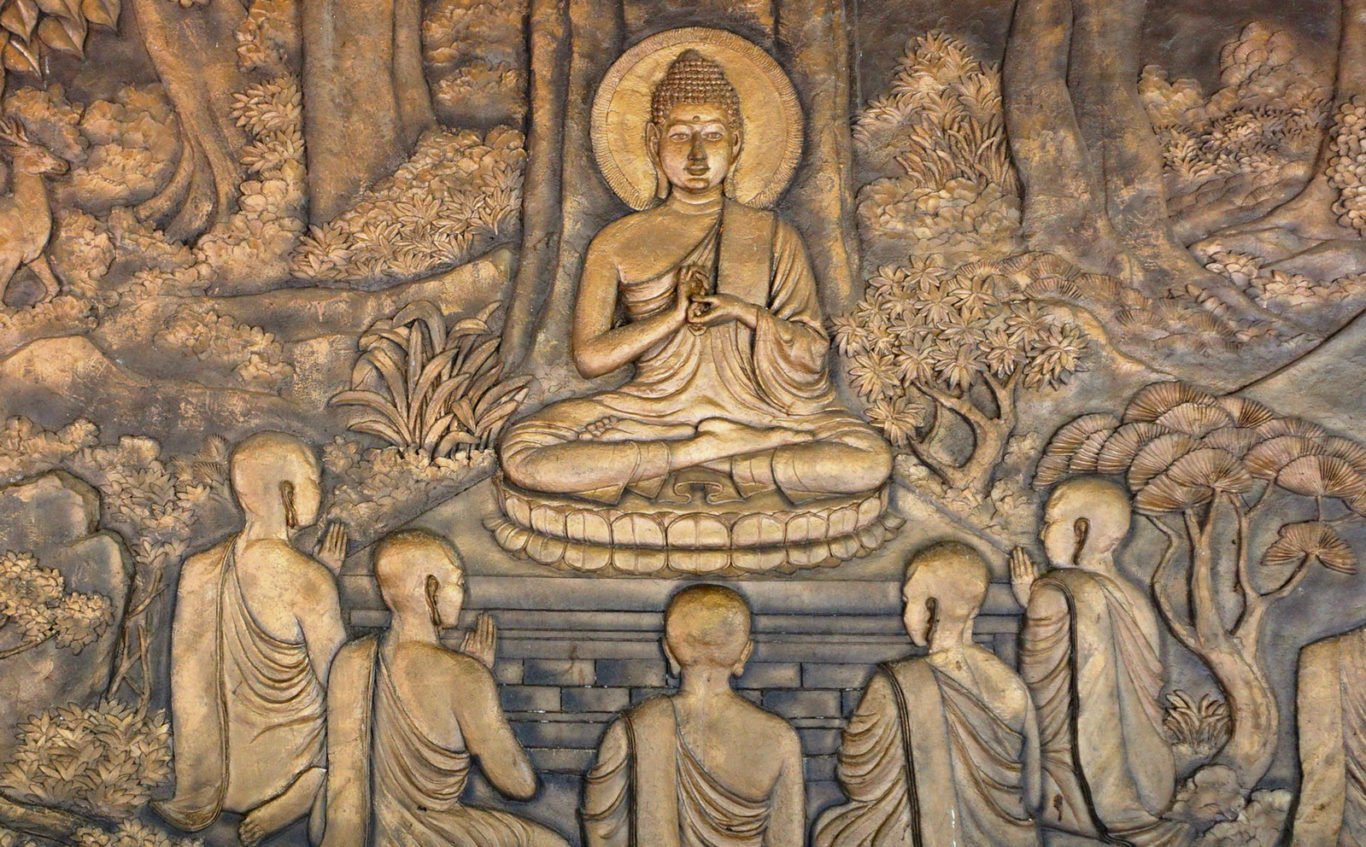
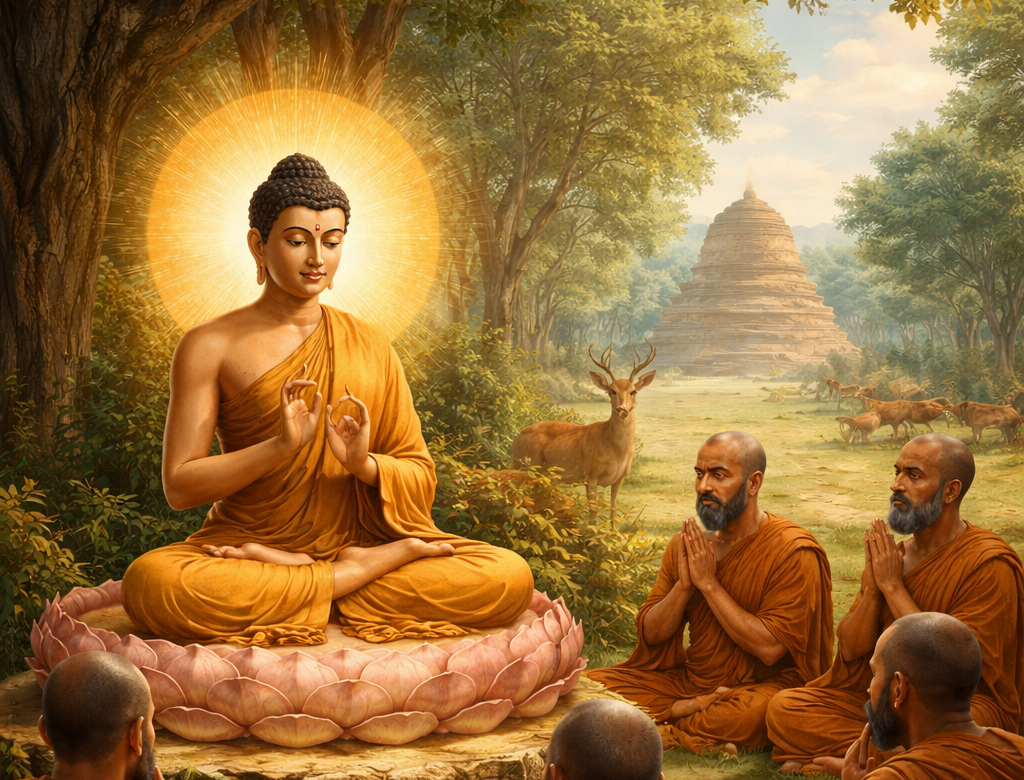
Soon after his enlightenment, the Buddha travelled to Sarnath, where he delivered his first discourse to five former companions. This teaching, known as the Dhammacakkappavattana Sutta, introduced the Four Noble Truths and the Noble Eightfold Path. With this, the Sangha—the community of monks—was born, marking the beginning of the spread of the Dhamma.

Enlightenment Under the Bodhi Tree
(Age 35)

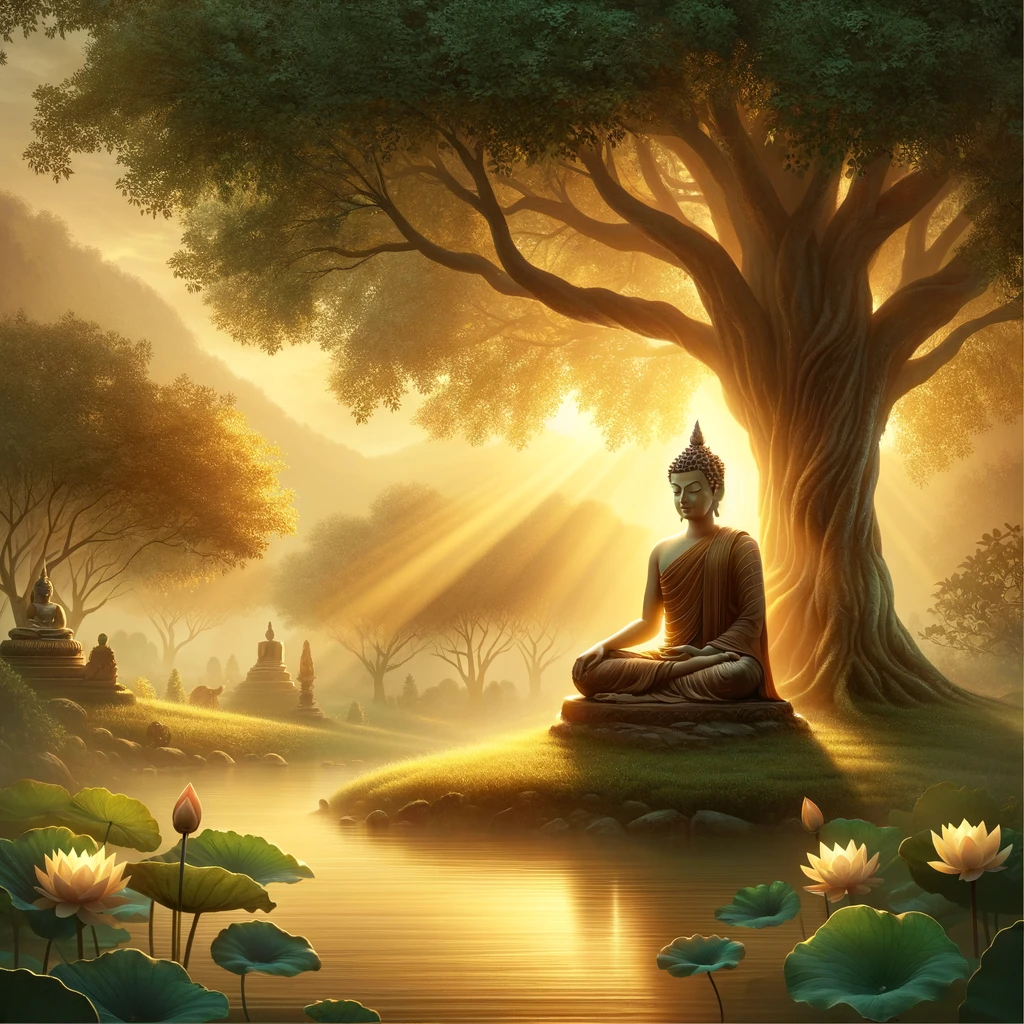
Siddhartha eventually settled beneath a fig tree in Bodh Gaya, vowing not to rise until he discovered the truth. After a long night of deep meditation, he awakened to a complete understanding of reality, the nature of suffering, and the path to liberation.

At this moment, Siddhartha Gautama became the Buddha—“The Awakened One.”

The Great Renunciation (Age 29)

At 29, Siddhartha made a courageous and transformative decision. Leaving behind his royal life, his family, and all worldly luxuries, he embraced the life of a seeker. This departure, known as the Great Renunciation, was the beginning of his spiritual journey.

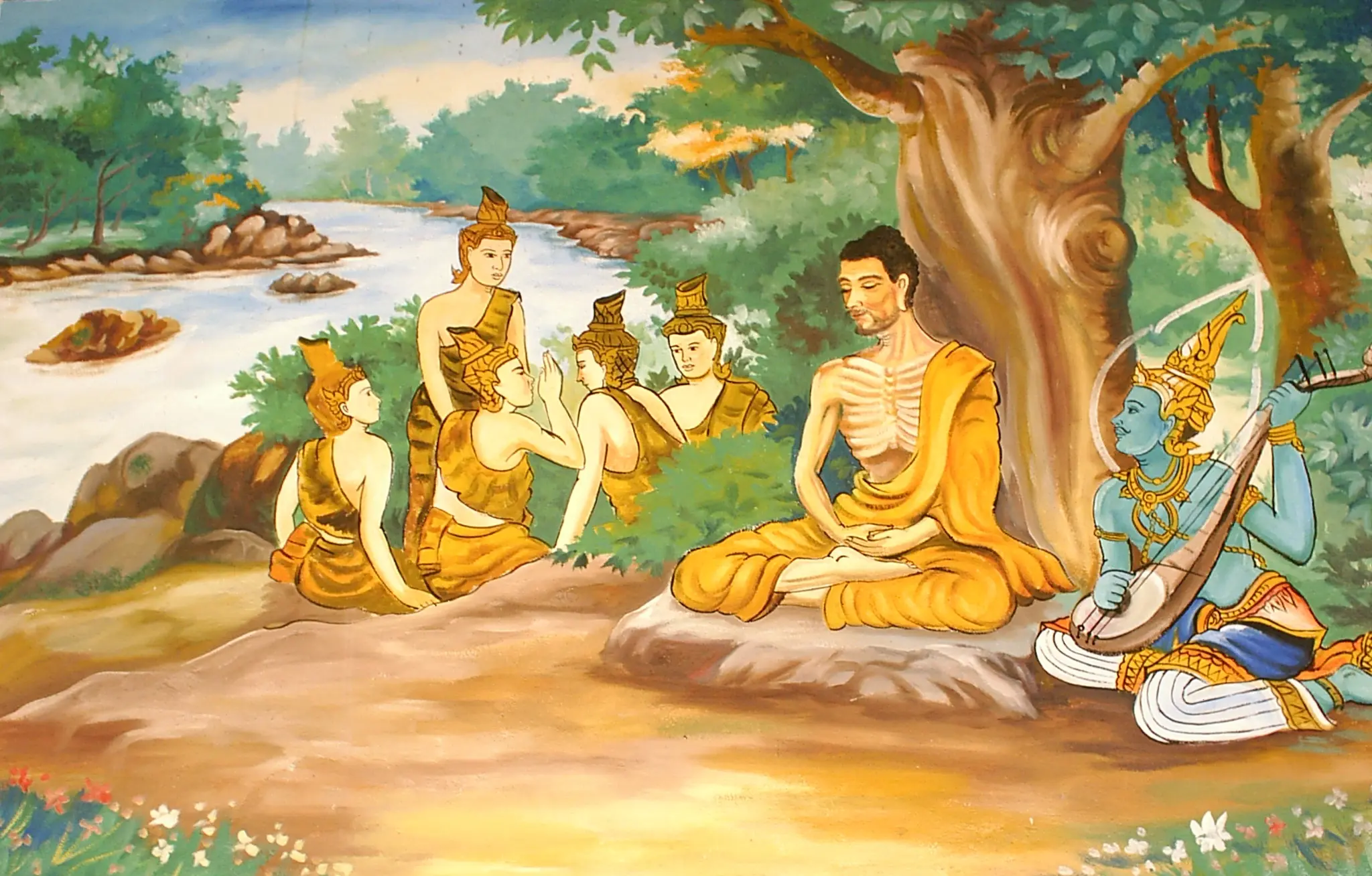
He travelled across northern India studying with respected teachers and practising intense forms of meditation and asceticism. Though he mastered these methods, they did not bring the liberation he sought. Realising that extreme self-denial was not the answer, he abandoned harsh austerities and turned toward a balanced approach—a path later called the Middle Way.

The Four Encounters and the Search for Truth

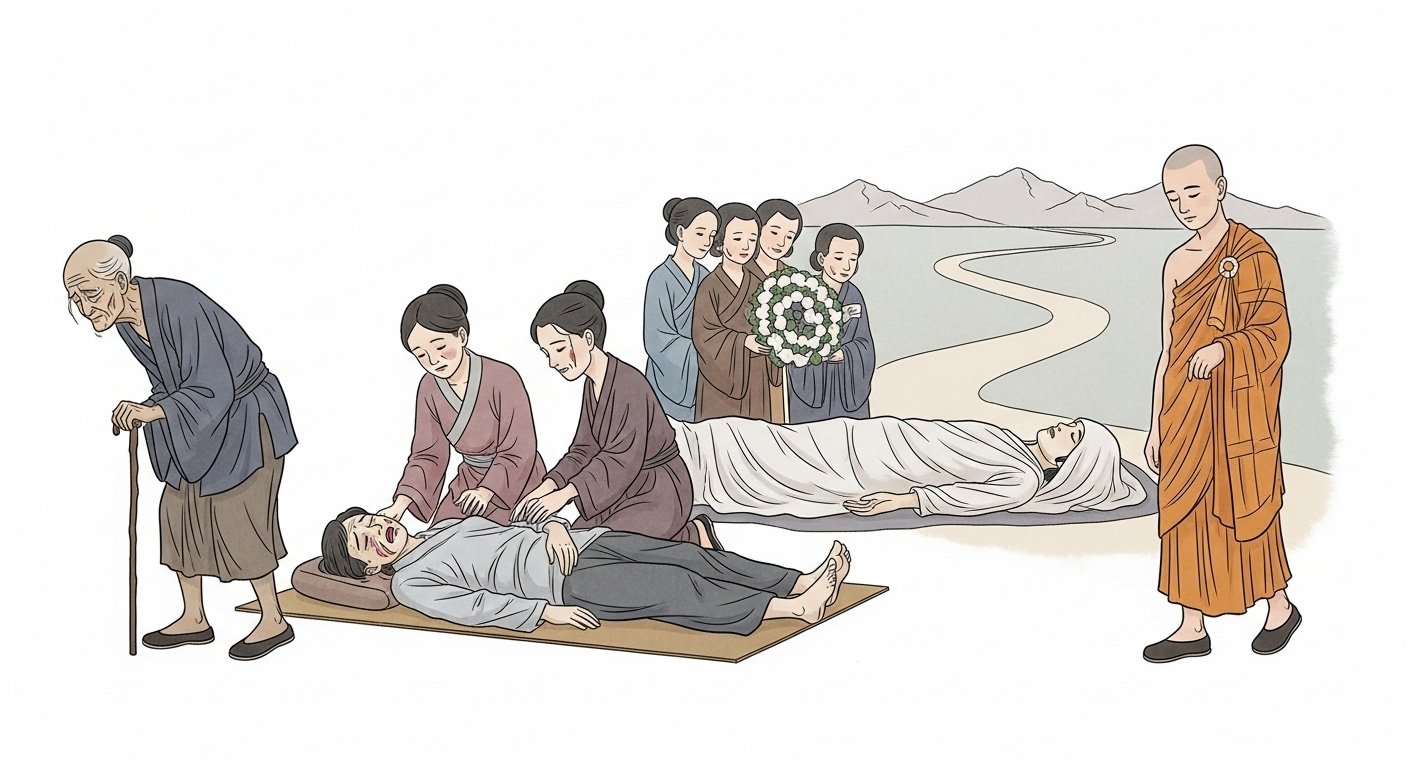
Although Siddhartha grew up sheltered, a series of life-changing encounters expanded his understanding of the human condition. While visiting the city beyond the palace walls, he saw an elderly person, a sick person, a corpse, and finally a serene wandering monk. These four sights deeply affected him. They revealed the inescapable truths of aging, illness, and death—and showed him that a spiritual path might offer liberation from suffering.

These moments awakened a profound inner questioning that could not be silenced:
What is the cause of suffering, and is there a path to true peace?

Birth and Early Life (563 BCE)

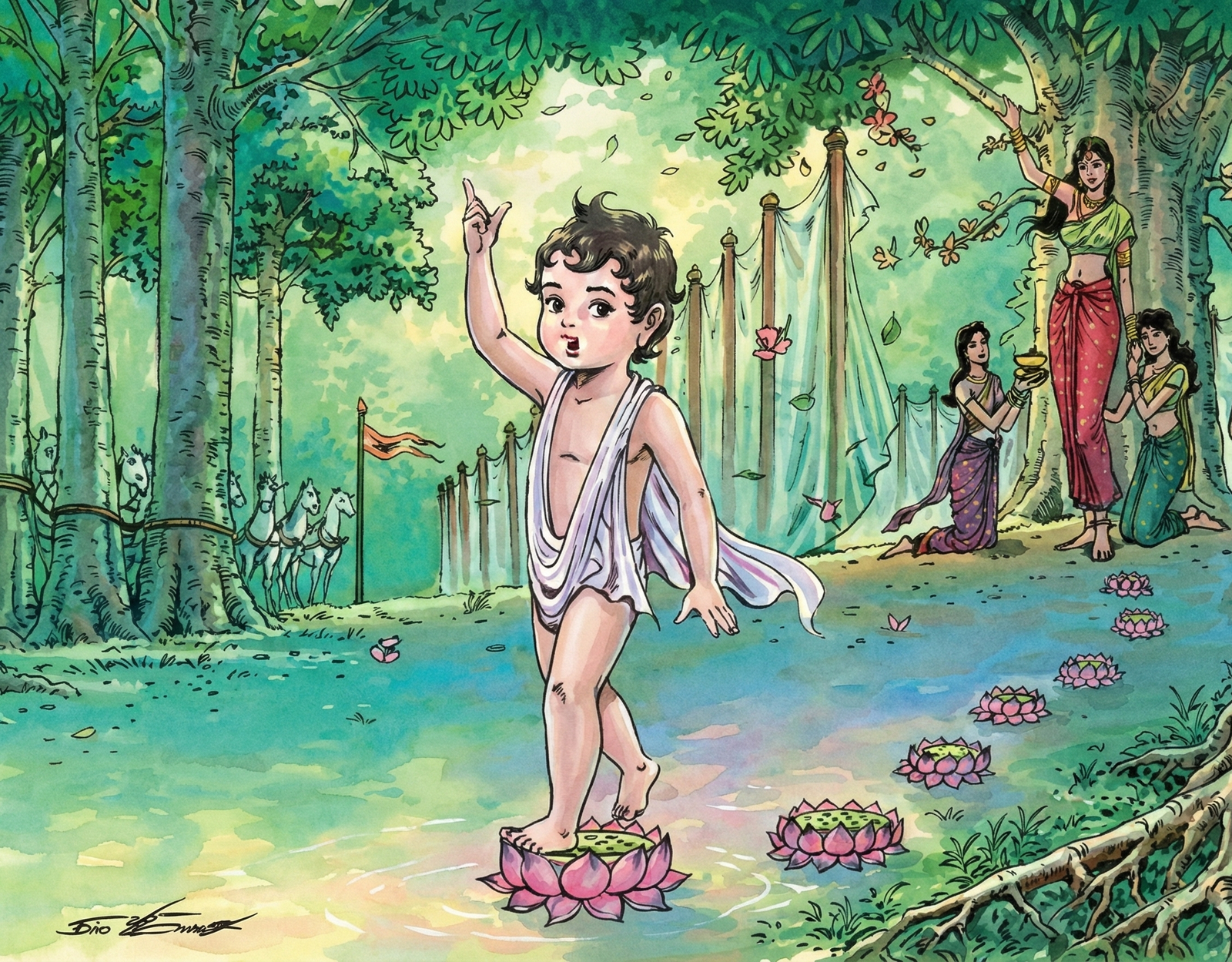
Siddhartha Gautama, who would later become the Buddha, was born around 563 BCE in Lumbini, a region that is now part of Nepal. He was born into the royal Shakya clan to King Suddhodana and Queen Maya. Tradition describes his birth as peaceful and auspicious. After his mother’s passing one week later, Siddhartha was lovingly raised by his aunt, Queen Mahapajapati.

Growing up in the city of Kapilavatthu, Siddhartha enjoyed a privileged and protected life. His father, wishing to shield him from the hardships and uncertainties of the world, ensured he received the finest education, martial training, and a life surrounded by comfort. At the age of sixteen, Siddhartha married Princess Yasodhara, and together they had a son named Rahula.